Introduction
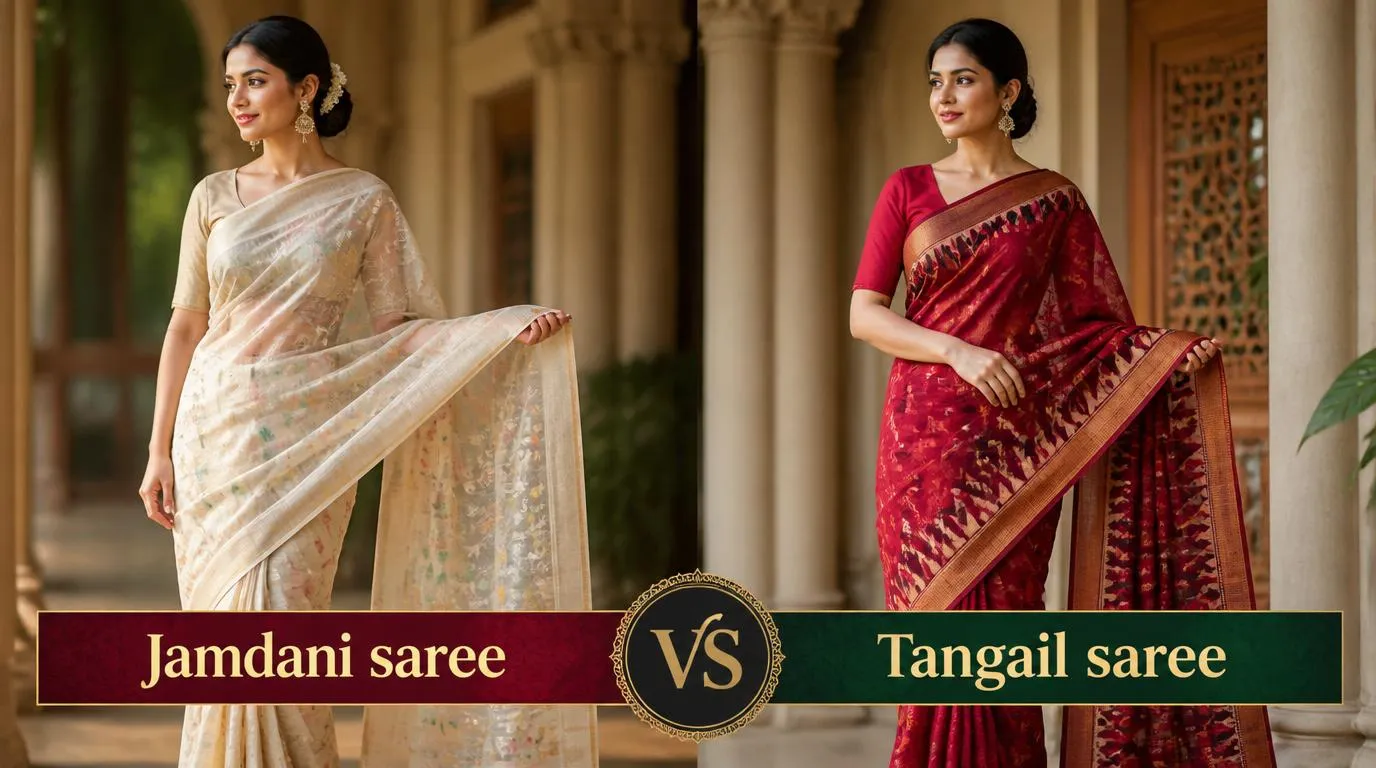
Walk into any saree shop in Bangladesh, and you'll be faced with a sea of handloom beauties. But two names will always stand out: Jamdani and Tangail. Both are woven with love and skill, both are symbols of Bangladeshi heritage, and both are stunning in their own right. But they are not the same.
If you've ever stood in a shop, confused about which one to pick, you're not alone. I've been there – weighing the pros and cons, trying to understand the difference in weave, fabric, and price. Over the years, I've come to appreciate both for what they are. This guide breaks down everything you need to know about Jamdani and Tangail sarees – so you can make a choice that's perfect for you.
Table of Contents
- Introduction
- Overview – What Are They?
- Weaving Technique – The Core Difference
- Fabric & Feel – Comfort Matters
- Motifs & Designs – Aesthetic Appeal
- Pricing – What to Expect
- Durability – Which Lasts Longer?
- Occasion Suitability – When to Wear What
- Which One Should You Choose?
- At-a-Glance Comparison Table
- FAQ: Jamdani vs Tangail
Overview – What Are They?
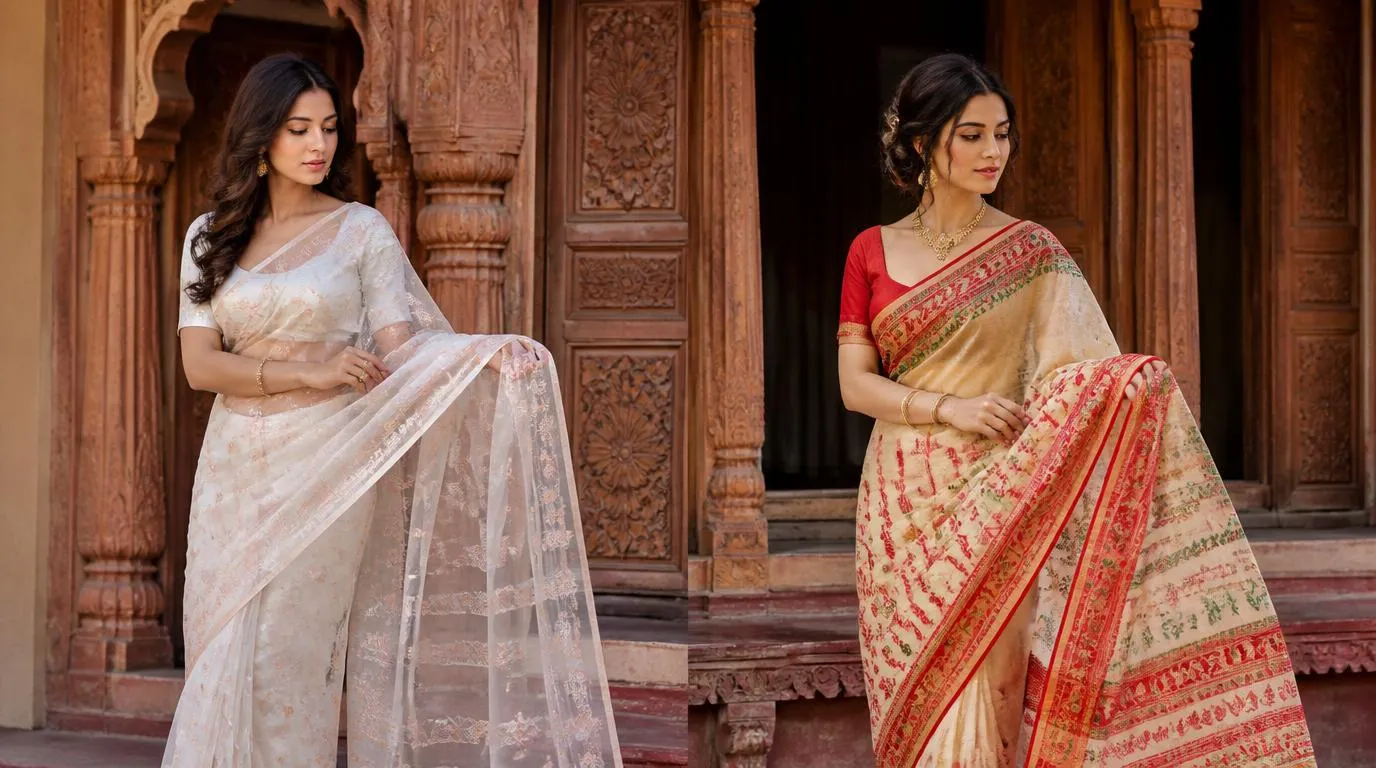
Jamdani Saree: Jamdani is a handwoven fabric that originated in Bengal and flourished under Mughal patronage. It is known for its extremely fine, lightweight cotton or silk base and intricate motifs that are woven directly into the fabric using the "figured" weave technique. Jamdani is often called "woven air" because of its delicate, breathable quality. It is considered one of the finest handloom traditions in the world and is recognized by UNESCO as an Intangible Cultural Heritage.
Tangail Saree: Tangail sarees are named after the district of Tangail in Bangladesh, which is famous for its handloom weaving. These sarees are woven using a different technique – often involving jacquard looms or extra-warp weaving. Tangail sarees are known for their thicker, more textured fabric, vibrant colors, and distinctive borders. They are more affordable than Jamdani and are extremely popular for everyday wear and festive occasions alike.
Weaving Technique – The Core Difference
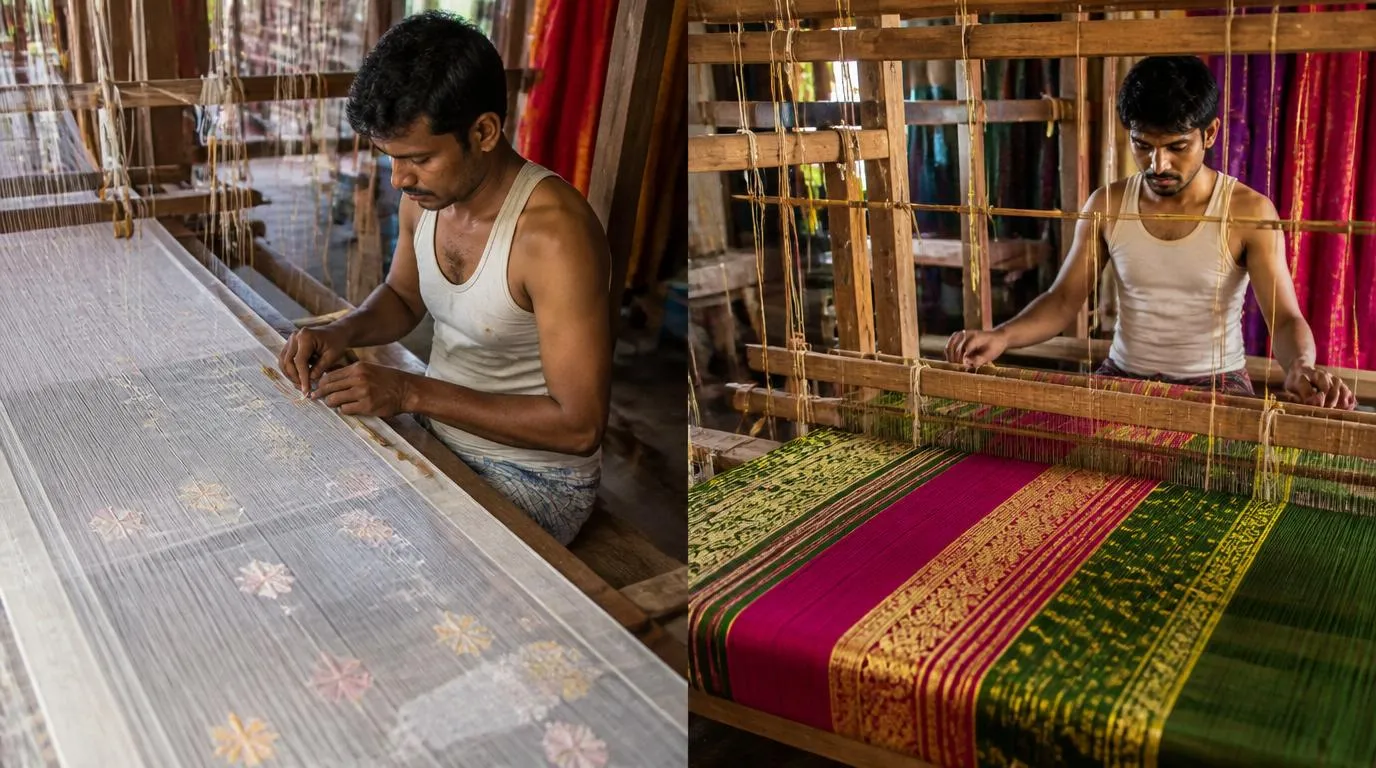
The fundamental difference between Jamdani and Tangail lies in how they are woven.
- Jamdani – Figured Weave (Extra Weft): In Jamdani weaving, the motifs are created by inserting extra weft threads during the weaving process. This means the design is woven into the fabric at the same time as the base fabric. The result is a seamless integration of pattern and fabric – motifs are visible on both sides (though slightly less defined on the back). This is a highly skilled technique that requires immense precision and time. A single Jamdani saree can take weeks to complete.
- Tangail – Extra Warp or Jacquard Weave: Tangail sarees use a different approach. Traditionally, they used extra-warp techniques where designs are created using additional warp threads. More commonly now, Tangail sarees are woven on jacquard looms, where the design is controlled by punch cards. The motifs are woven into the fabric but with less complexity than Jamdani. The fabric is thicker and the motifs are more textured.
Practical implication: Jamdani is lighter and more delicate; Tangail is thicker and more robust. Jamdani's motifs are finer and more intricate; Tangail's motifs are bolder and more textured.
Fabric & Feel – Comfort Matters
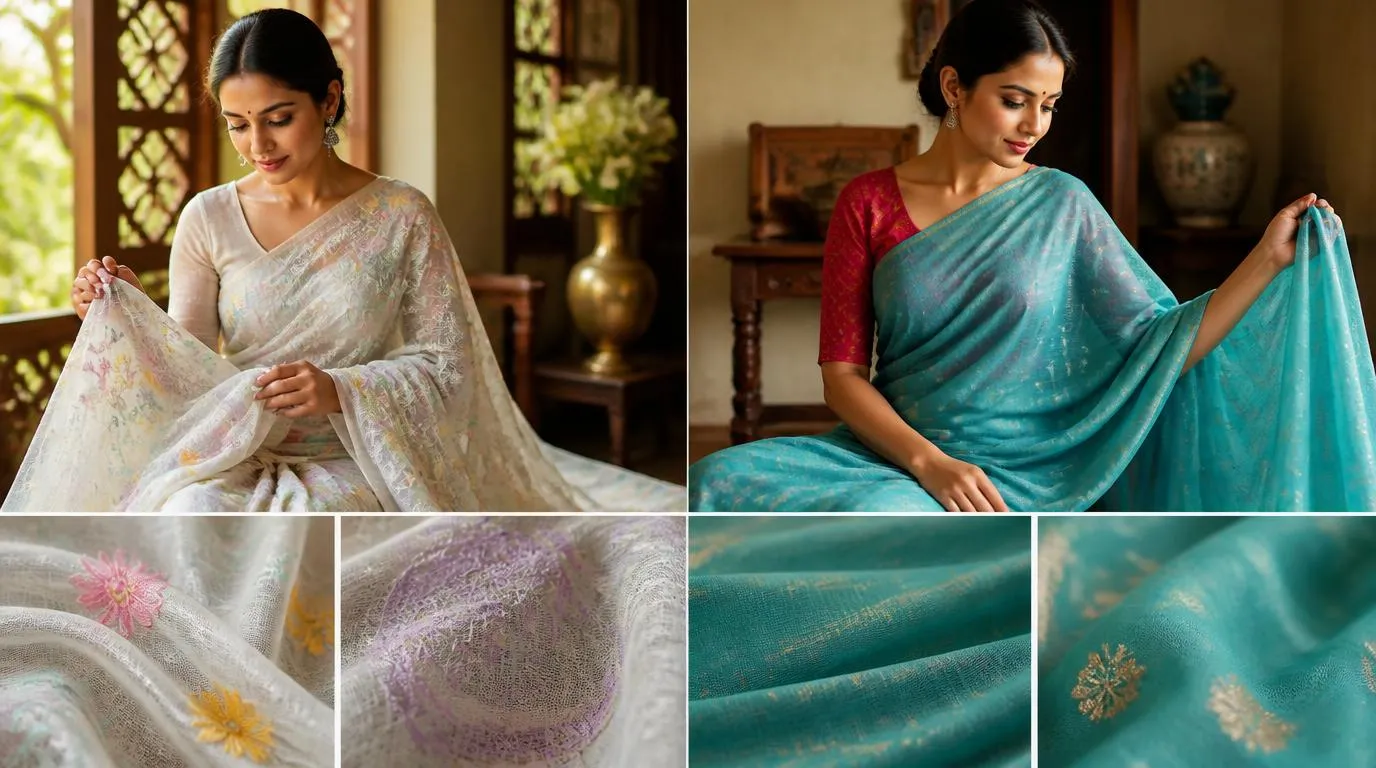
- Jamdani: Extremely lightweight, soft, and airy. Cotton Jamdani feels like a gentle breeze on the skin – it's perfect for summer. Silk Jamdani has a subtle sheen and feels luxurious without being heavy. The fabric drapes fluidly and moves with the body. High-quality Jamdani has a smooth, almost silky texture even in cotton.
- Tangail: Thicker, more textured, and slightly heavier. The fabric has a rustic, earthy feel that many people love. It drapes well but with a bit more structure than Jamdani. Cotton Tangail is comfortable for daily wear, while silk Tangail has a richer feel suitable for festive occasions. The texture is more pronounced due to the thicker yarns used.
Which to choose? If you want a saree that feels like a second skin, choose Jamdani. If you prefer a saree with more body and structure, choose Tangail.
Motifs & Designs – Aesthetic Appeal
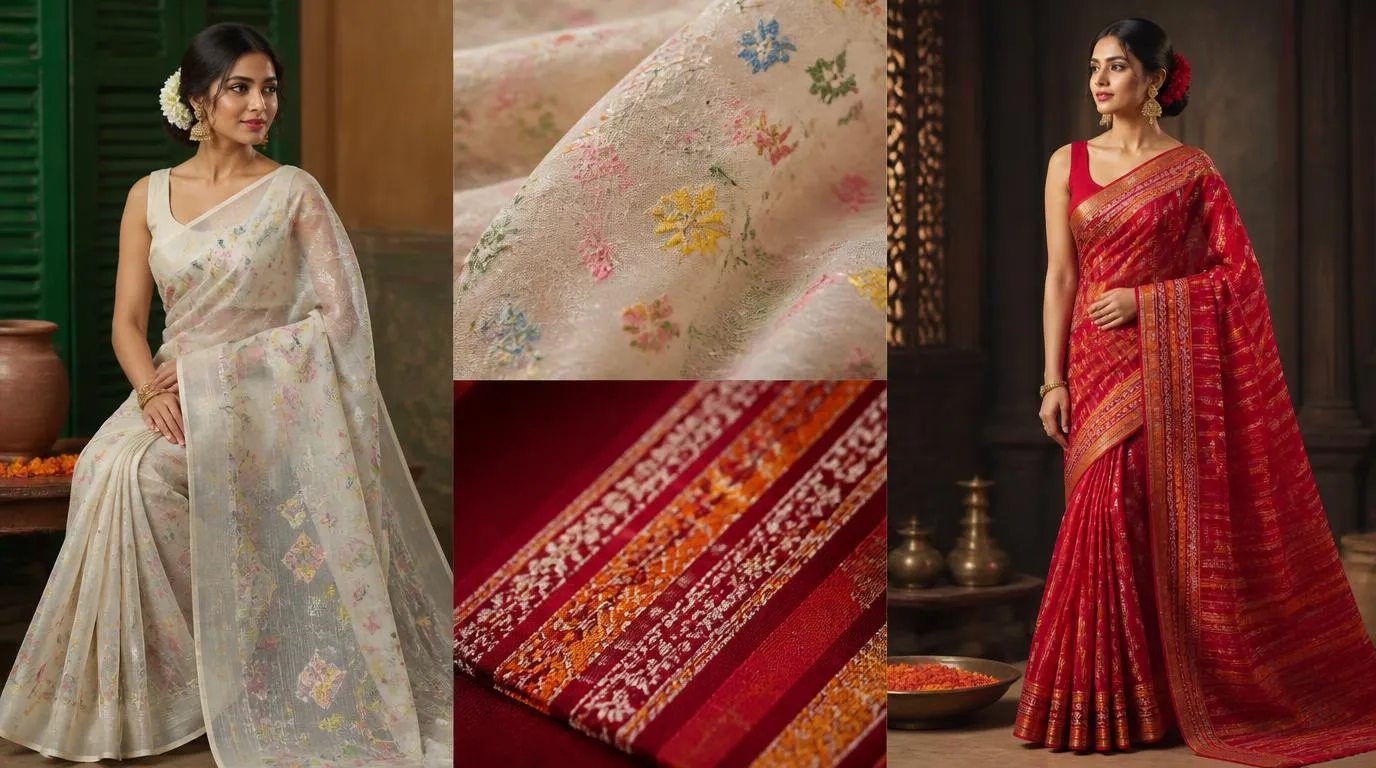
- Jamdani: Known for its intricate, delicate motifs. Traditional designs include floral patterns (paisley, jasmine, lotus), butidar (small flower buds scattered across the body), vines, and geometric patterns. The motifs are fine and detailed – they look like they've been painted onto the fabric. The border and pallu often feature more elaborate designs. Colors are typically subtle and elegant.
- Tangail: Bold, vibrant, and distinctive. Tangail sarees are famous for their striking borders and anarasi (pineapple), jhumka (bell-shaped), and panna (diamond) motifs. The designs are more prominent and textured than Jamdani. Colors are often bright and eye-catching – reds, greens, blues, and yellows are common. Tangail's aesthetic is more rustic and celebratory.
Which to choose? If you love subtle, intricate elegance, go for Jamdani. If you love bold, vibrant, and eye-catching designs, choose Tangail.
Pricing – What to Expect
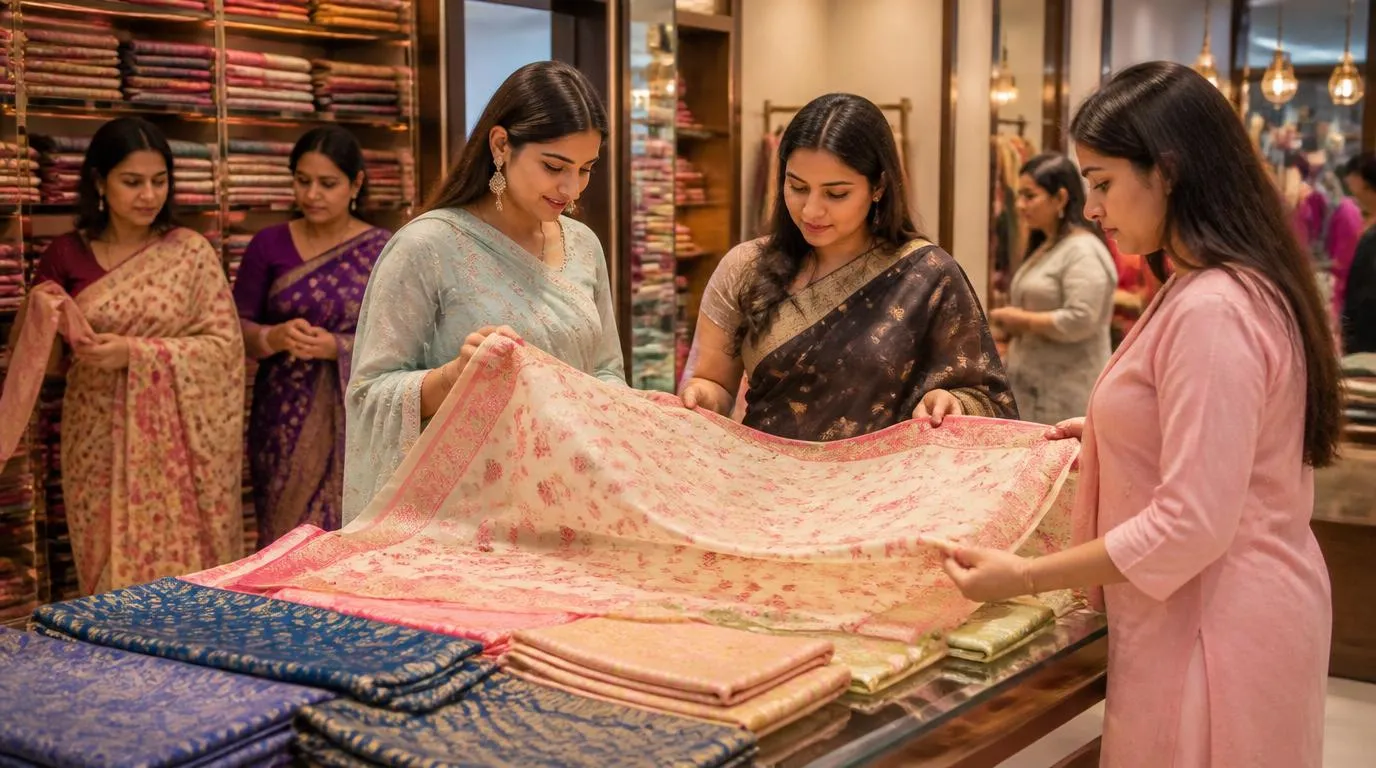
- Jamdani: Higher price range. Cotton Jamdani: ৳3,000 – ৳7,000 (depending on quality and motif density). Silk Jamdani: ৳5,000 – ৳15,000+. Premium, high-count Jamdani with intricate motifs can exceed ৳20,000. The price reflects the time, skill, and fine yarns used.
- Tangail: More affordable. Cotton Tangail: ৳1,200 – ৳3,500. Silk Tangail: ৳3,500 – ৳8,000. Premium Tangail with heavy borders and zari can go up to ৳10,000+. The lower price point makes Tangail accessible to a wider audience.
Which to choose? If you're on a budget or want a saree for daily wear, Tangail is the clear winner. If you're investing in a heirloom piece or want something truly special for a wedding, Jamdani is worth the splurge.
Durability – Which Lasts Longer?
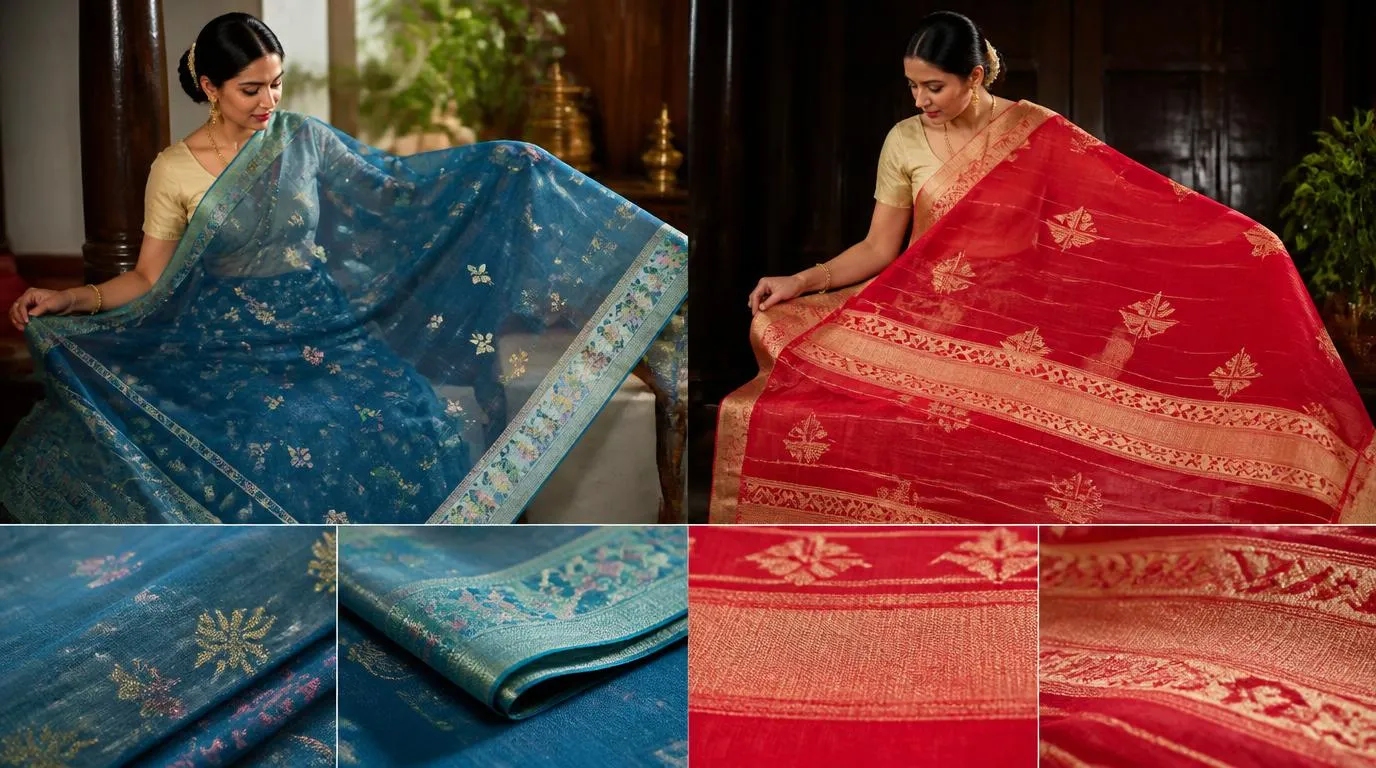
- Jamdani: Durable if handled with care. Because of its fine yarns, Jamdani is more delicate and requires gentle washing and storage. It can last for decades with proper care (hand washing, shade drying, muslin storage). However, it's more prone to snagging and wear if not handled carefully.
- Tangail: Very durable and robust. The thicker yarns and tighter weave make Tangail sarees highly resistant to wear and tear. They can withstand frequent washing and daily use without losing their shape or color. Many women have Tangail sarees that have lasted 15-20 years of regular use.
Which to choose? For everyday wear and long-term durability, choose Tangail. For occasional, special wear where you can give the saree extra care, Jamdani is wonderful.
Occasion Suitability – When to Wear What
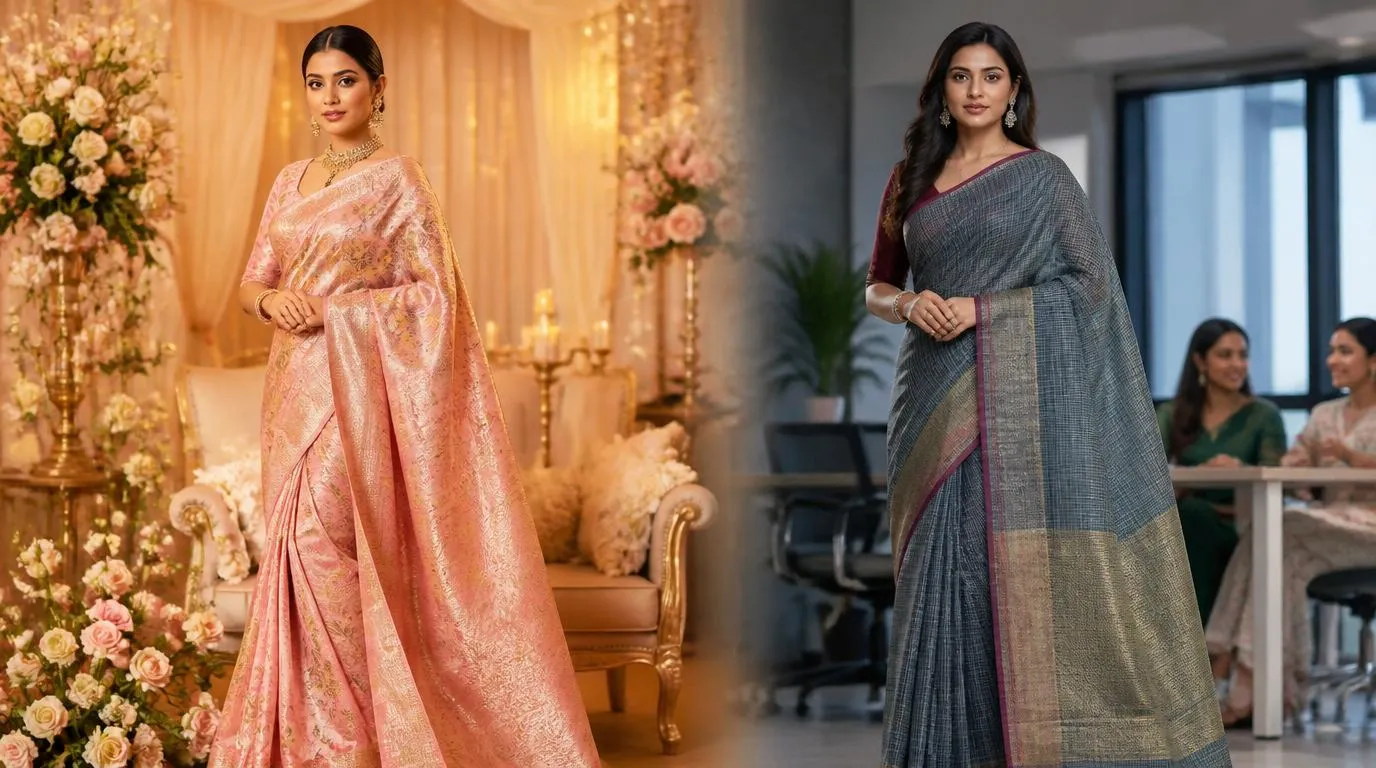
- Jamdani: Weddings (guest), receptions, festive events (Eid, Puja), formal gatherings, and special occasions where you want to look elegant and refined. Silk Jamdani is perfect for evening events; cotton Jamdani works for daytime weddings and summer events.
- Tangail: Casual wear, office, daily outings, family gatherings, and also festive occasions (with a heavy border or zari version). Tangail is incredibly versatile – it can be dressed up or down. A plain Tangail with a simple border is perfect for the office; a heavily bordered Tangail with zari is festive enough for Eid and weddings.
Which to choose? If you need a saree for a specific special occasion, Jamdani is a showstopper. If you want a versatile saree that works for multiple occasions, Tangail is the better choice.
Which One Should You Choose?
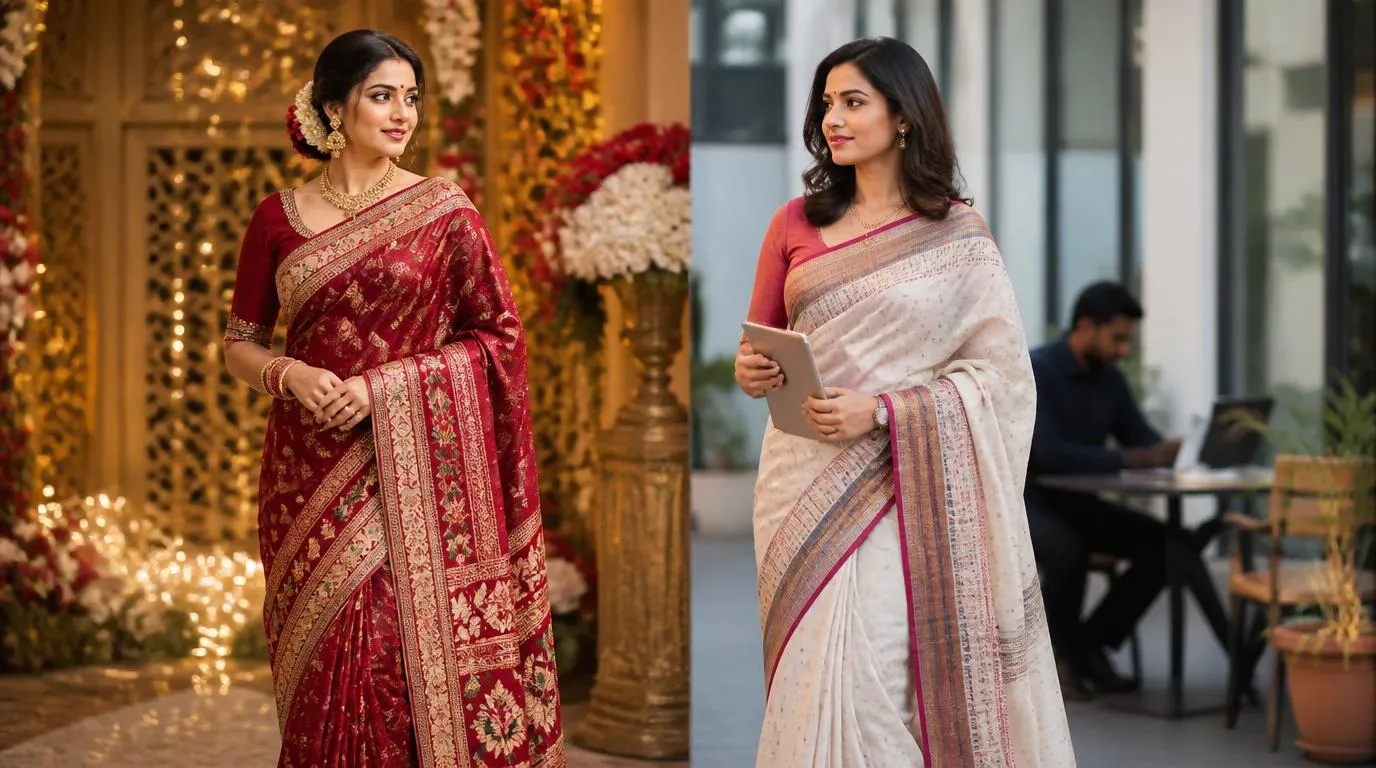
Here's a simple decision guide based on your needs:
-
Choose Jamdani if:
- You want a lightweight, airy saree that feels luxurious
- You're attending a wedding, reception, or formal event
- You love intricate, delicate motifs and subtle elegance
- You're willing to invest in a heirloom piece
- You're looking for a saree that stands out as a work of art
-
Choose Tangail if:
- You want a durable, affordable saree for daily wear
- You need a versatile saree for multiple occasions
- You love bold, vibrant colors and textured designs
- You're on a budget but still want authentic handloom
- You want a saree that can withstand frequent washing
At-a-Glance Comparison Table
| Aspect | Jamdani | Tangail |
|---|---|---|
| Weaving | Figured weave (extra weft) – intricate, fine | Extra warp or jacquard – textured, bold |
| Fabric | Lightweight, soft, airy, delicate | Thicker, textured, robust |
| Motifs | Fine, intricate, subtle elegance | Bold, vibrant, textured |
| Price (Cotton) | ৳3,000 – ৳7,000 | ৳1,200 – ৳3,500 |
| Price (Silk) | ৳5,000 – ৳15,000+ | ৳3,500 – ৳8,000 |
| Durability | Delicate – needs careful handling | Highly durable – daily wear |
| Occasion | Weddings, receptions, formal events | Casual, office, festive, versatile |
| Best for | Heirloom, special occasions | Everyday elegance, budget-friendly |