
As an Amazon Associate, SareeBD may earn from qualifying purchases. This means we may receive a small commission when you purchase through links on our website, at no additional cost to you.
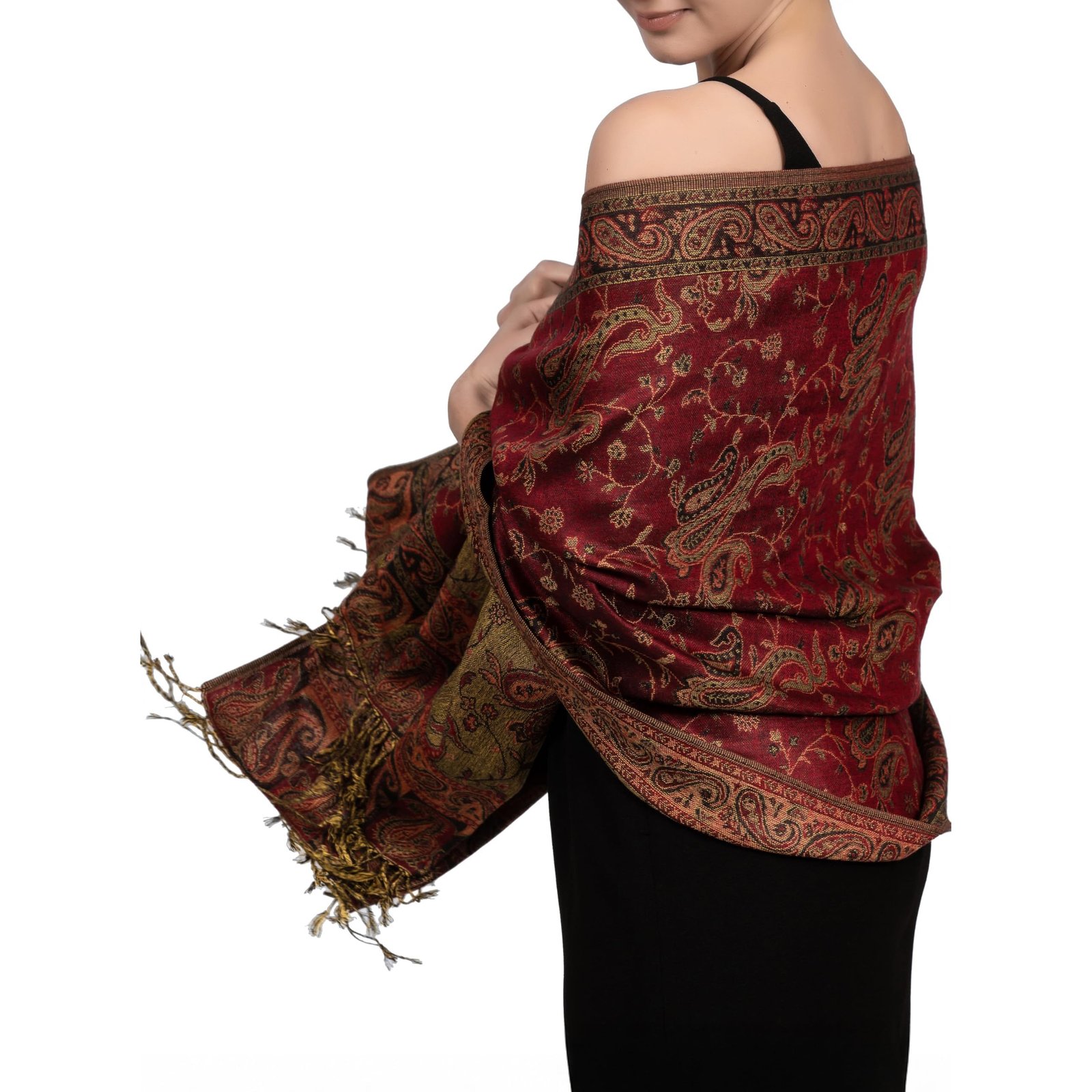 Image credit: Amazon
Your first winter wedding in America teaches you something fast: a saree looks like summer clothing, but it does not have to feel like it. Between a heated venue, a short walk from the car, and photographs outside, the real challenge is not the cold itself, it is dressing for three temperatures in one outfit.
The good news is that sarees have survived Himalayan foothill winters and cold Dhaka mornings for centuries. Silk is a natural insulator, wool shawls were practically invented for draping over sarees, and modern thermal layers disappear completely under a blouse. Here is how to put it all together for a US winter, from a Chicago cold snap to a mild Texas December.
Start With the Warmest Fabric You Own
Fabric choice does half the work before you add a single layer.
| Fabric | Winter warmth | Notes |
|---|---|---|
| Pure silk / Banarasi | Warmest | Dense weave traps heat; the classic winter-wedding choice |
| Jamdani (half-silk or silk) | Warm | Cotton Jamdani is cooler; silk-blend versions suit winter well |
| Velvet-bordered or art-silk sarees | Warm | Heavier drape, festive look, kind to cold evenings |
| Cotton / Tangail / Tant | Cool | Lovely, but save for heated indoor events, or summer |
| Chiffon / georgette | Coldest | Sheer and slippery in wind; only with full layering underneath |
If the invitation says winter wedding, reach for the silk first. Our Jamdani vs Banarasi comparison breaks down how the two great handloom silks differ in weight and drape.
Layer Under the Blouse (Nobody Will Know)
The blouse is where winter is won. Four invisible options, warmest first:
A fitted thermal top as a base layer. A thin heat-tech or merino long-sleeve top in black or a skin tone, worn under the blouse, adds serious warmth with zero bulk. Choose a scoop or sweetheart neckline so the thermal never peeks above the blouse.
A full-sleeve blouse. Long sleeves in silk, velvet or brocade look regal and cover the arms completely, the traditional Bengali winter answer, and the easiest one to photograph well.
A high-neck or closed-neck blouse. It removes the cold strip at the throat and reads as a deliberate design choice, especially in velvet.
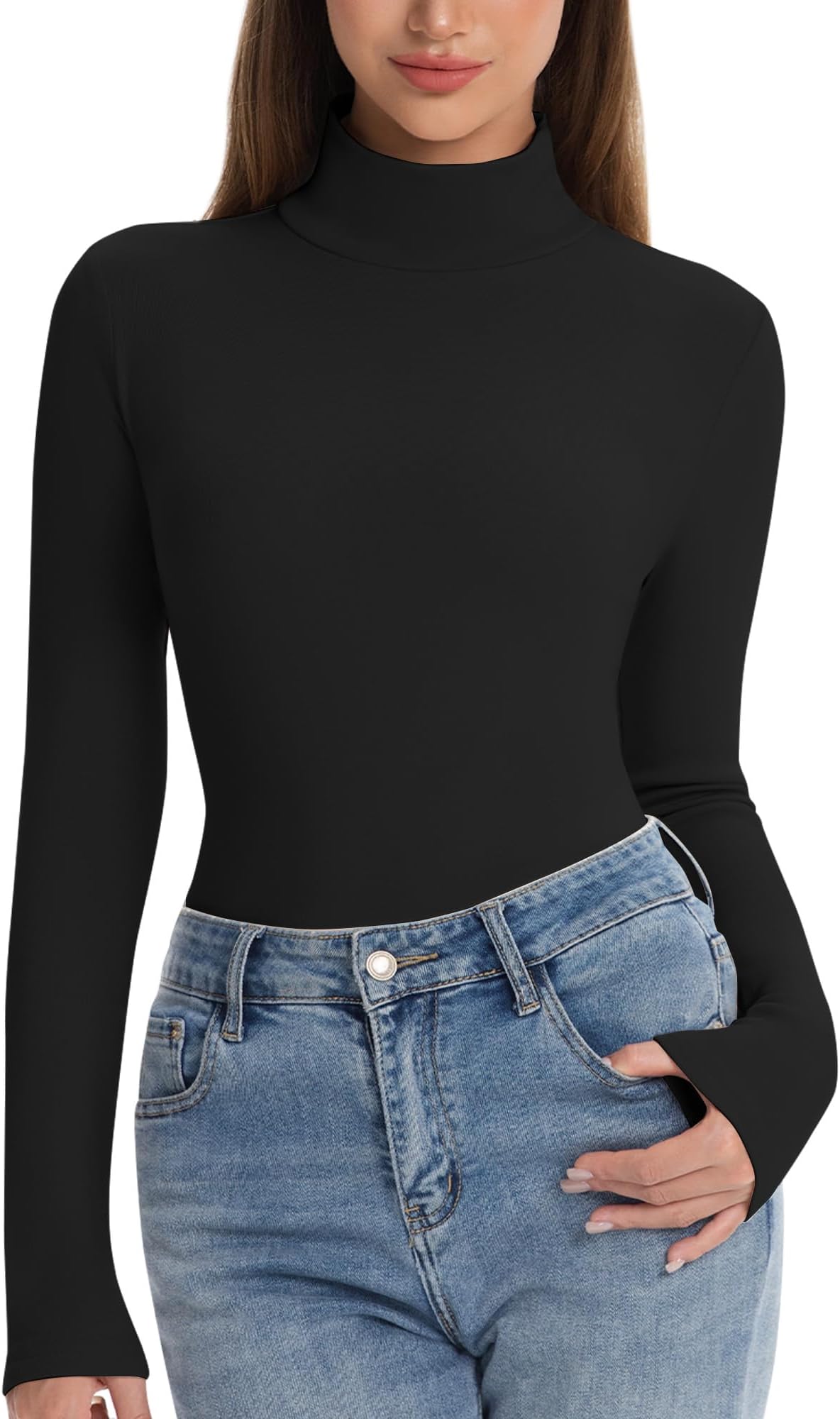
The turtleneck trick. Stylists increasingly wear a slim black turtleneck instead of a blouse under a silk saree. It is warm, modern, and surprisingly elegant, try it at home first to make sure the pallu sits the way you like.
Do Not Forget the Lower Half
Cold legs make the whole body feel cold. Slip fleece-lined leggings or thermal tights on under your petticoat or shapewear, completely invisible once the saree is draped, and the single biggest comfort upgrade on this page. Our saree shapewear guide covers the base layers that hold pleats firmly over leggings without bunching.
Shawls, Wraps and Coats That Respect the Drape
A shawl is not a compromise; draped well, it is part of the outfit. Three ways to wear one:
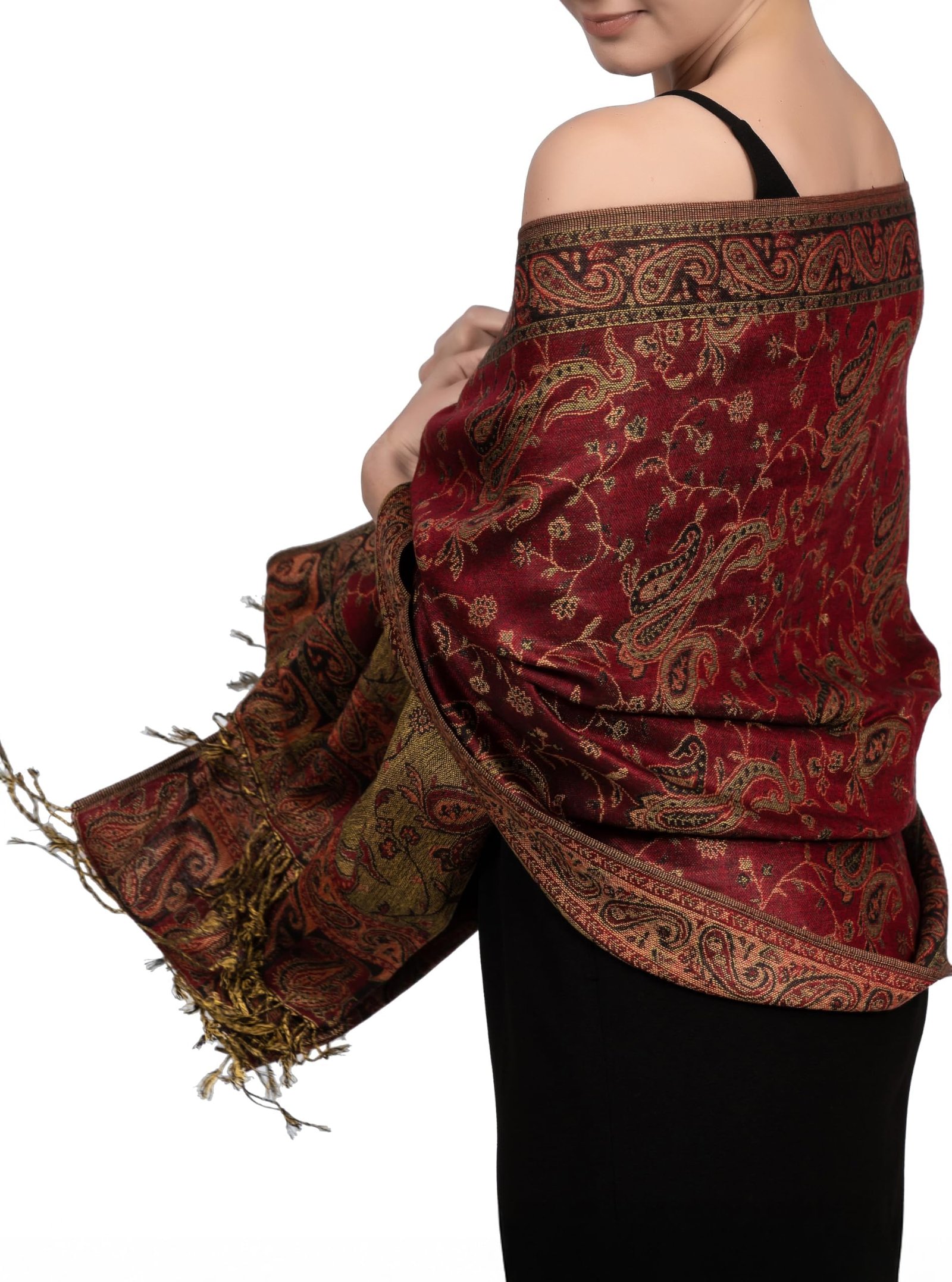
- Over the far shoulder: drape a pashmina or wool shawl over the shoulder opposite the pallu, letting it fall diagonally across the back.
- The front wrap: fold the shawl lengthwise and wrap it around both shoulders like a stole for outdoor photos, then loosen it indoors.
- Belted: for a modern look, drape the shawl over both shoulders and belt it at the waist over the saree.
For the journey, a long wool coat worn open beats a puffer jacket, it protects the drape instead of crushing it, and you hand it over at the door. If you must zip up against real cold, zip the coat over everything and accept a quick pleat adjustment on arrival; it takes thirty seconds. More draping help lives in our draping tutorials.
Winter Saree Essentials on Amazon
Three winter add-ons that work with the layering system above, checked on Amazon with US delivery.

$16.99
Achillea Reversible Paisley Pashmina Rave Scarf Shawl Wrap
4.7 ★★★★★★★★★★ (10,506)
View on Amazon
A reversible paisley pashmina that works as a scarf, shawl or wrap.

$37.99
Maroon Velvet Saree Blouse Long Sleeves | Readymade High Neck Modest Choli 38–44 Inch | Partywear Indian Ethnic
3.7 ★★★★★★★★★★ (4)
View on Amazon
Long-sleeve readymade velvet saree blouse with a high neck, in sizes 38–44 inch.
$9.99
SIMIYA Thermal Turtleneck Tops for Women, Fleece Lined Base Layer
4.9 ★★★★★★★★★★ (95)
View on Amazon
Fleece-lined thermal turtleneck base layer top for women.
Feet, Hands and the Small Things
Closed-toe heels or ankle boots keep feet warm and handle wet pavement better than sandals. Keep a pair of hand warmers in your clutch for outdoor photographs, and choose a slightly deeper lip colour than usual, winter light washes makeup out in photos.
A Winter Event Game Plan
Layer in this order and each layer still works if the venue turns out warm:
- Thermal top + fleece-lined leggings
- Shapewear or petticoat, then the saree
- Shawl, styled as part of the outfit
- Long coat for the journey only
Indoors, the coat and shawl come off and the saree stands on its own, no visible thermals, no bulky sleeves, nothing to explain.
New to buying sarees online from the US? Start with our Ultimate Saree Buying Guide for the USA, sizing, fabrics and seller checks in one place, then come back for the winter layer.
Frequently Asked Questions
Can you really wear a saree in snow?
Yes. With a silk saree, thermal layers underneath, closed shoes and a coat for the journey, a saree handles a snowy evening comfortably. Watch only the hem, lift it slightly on wet pavement so the border stays dry.
Which saree fabric is warmest in winter?
Pure silk, especially a dense Banarasi weave, is the warmest common saree fabric. Velvet and art-silk come next; chiffon and georgette are the coldest.
What do you wear under a saree blouse in winter?
A thin thermal or heat-tech top with a neckline lower than the blouse’s, so it stays invisible. A full-sleeve or velvet blouse is the no-layer alternative.
Can you wear a coat over a saree?
Yes, a long wool coat worn open is the classic choice. It frames the saree instead of hiding it and keeps the pleats intact.
How do Bengali brides handle winter weddings?
Traditionally: a heavy silk or Banarasi saree, a full-sleeve blouse, and a richly woven shawl that becomes part of the bridal look. The modern US version adds thermal leggings underneath, same silhouette, much warmer bride.
The Bottom Line
A winter saree is a layering puzzle, not a sacrifice. Warm fabric on the outside, invisible thermals underneath, a shawl treated as jewellery rather than apology, and the coldest wedding of the year becomes the one where your outfit is remembered for the right reasons.