
As an Amazon Associate, SareeBD may earn from qualifying purchases. This means we may receive a small commission when you purchase through links on our website, at no additional cost to you.
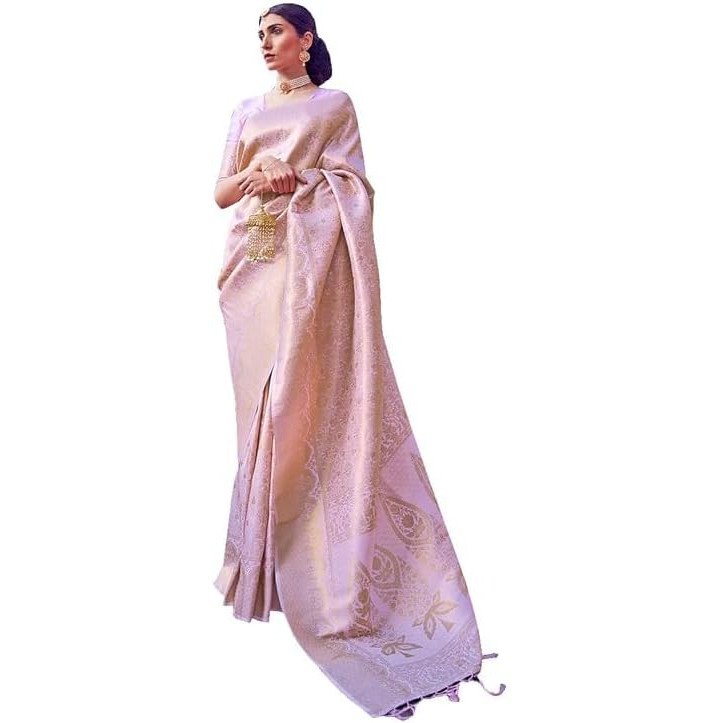 Image credit: Amazon

Jamdani and Banarasi are the two names every saree buyer meets first, and they could hardly be more different. A Jamdani is woven in Bengal (Dhakai, Bangladesh) with motifs floated onto feather-light cotton or cotton-silk on a pit loom; a Banarasi is woven in Varanasi, India, in rich silk with gold zari brocade. One whispers, the other shines. This guide compares them honestly, weave, weight, drape, price in the USA, care and occasion, so you can decide which one belongs in your wardrobe (or whether, like most of us, you end up wanting both).
At a Glance, Jamdani vs Banarasi
| Jamdani | Banarasi | |
|---|---|---|
| Origin | Dhaka, Bangladesh (Dhakai) | Varanasi, India |
| Classic fiber | Cotton, cotton-silk, half-silk | Silk (pure or art silk) |
| Weave | Discontinuous weft, motifs floated in by hand | Brocade, zari woven in |
| Feel & weight | Very light, airy, slightly crisp | Heavier, rich, structured drape |
| Motifs | Floral/geometric, visible on the reverse side | Dense floral/buti brocade, zari shines on the face |
| Typical US price | $30–$250 (handloom, by fineness) | $25–$100 art silk; $150+ pure silk |
| Care | Gentle; store folded in cotton | Protect the zari; store away from moisture |
| Best for | Day-long festivals, summer weddings, heirloom gifts | Weddings, receptions, evening grandeur |
The Weave, Floating Motifs vs Golden Brocade
A Jamdani’s motifs are inserted thread by thread with a hand shuttle while the base cloth is woven, nothing is embroidered or printed afterward, which is why the design shows (slightly fainter) on the back. It is slow: days to weeks per saree, and it is why we test authenticity the way we do in our guide to identifying an original Jamdani. A Banarasi’s richness comes from brocade: metallic zari threads woven into silk so the motifs sit raised and gleaming on the surface. Both are handloom arts; Jamdani’s genius is lightness, Banarasi’s is opulence.
Weight, Drape and Comfort in a US Day
A cotton Jamdani typically weighs a few hundred grams and breathes, you can wear it through a full Durga Puja day or a summer wedding in Texas without thinking about it. A silk Banarasi is a commitment: structured, warm, and glorious in photographs, but most wearers change out of it after the ceremony. For long US wedding days that run ceremony-to-reception, many guests choose Jamdani for the day and Banarasi for the evening.
Price in the USA, What Each Costs
Jamdani: honest handloom on Amazon US runs $30–$90, finer curated pieces $120–$250, full bands in our Jamdani price guide. Banarasi: most Amazon US listings are art-silk (silk-blend) Banarasi at $25–$100, beautiful and affordable, but not pure silk; genuine pure-silk Banarasi from specialist sellers starts around $150 and climbs fast with real zari. Neither is “better value”, you are paying for different things: woven hours in the Jamdani, silk and zari in the Banarasi.

$36.00
dB DESH BIDESH Women’s Tamarind Leaf Resham Dhakai Jamdani Bengal Pure Cotton Handloom Saree Whole Body Design
5.0 ★★★★★★★★★★ (2)
View on Amazon

$34.48
Women’s Traditional Bengal Cotton Silk Soft Jamdani Saree – Beautiful design and Quality – Without Blouse Piece
4.4 ★★★★★★★★★★ (27)
View on Amazon
Two honest handloom Jamdani at US prices.

$38.00
Jaanvi fashion Women’s Banarasi Silk With Gold-Toned Zari Jacquard Work Saree With Unstitched Blouse Piece
4.0 ★★★★★★★★★★ (321)
View on Amazon

$21.00
Yashika Banarasi Women’s Kanjivaram Navy Silk Saree
3.9 ★★★★★★★★★★ (2260)
View on Amazon
Two Banarasi picks, check whether the listing says pure silk or art silk before you compare prices.
Which Should You Buy? The Verdict
| If you… | Choose |
|---|---|
| Are buying your first Bengali saree | Jamdani |
| Want maximum grandeur for one big wedding day | Banarasi |
| Will wear it all day in warm weather | Jamdani |
| Are gifting something that lasts generations | Either, Jamdani for the craft story, Banarasi for classic bridal weight |
| Are on a $50 budget | Art-silk Banarasi for shine, cotton Jamdani for authenticity |
This guide is one chapter of our complete Jamdani saree buyer’s guide , the hub that connects Jamdani prices, authenticity checks, comparisons and care in one place.
FAQs About Jamdani vs Banarasi
Is Jamdani better than Banarasi?
Neither is better, they optimize for different things. Jamdani wins on lightness, breathability and hand-weaving purity; Banarasi wins on richness, structure and bridal grandeur. Most serious saree wardrobes hold both.
Which is more expensive, Jamdani or Banarasi?
At the top end, both reach heirloom prices. In the US mid-market, comparable handloom Jamdani ($30–$250) and art-silk Banarasi ($25–$100) overlap, while pure-silk Banarasi usually costs more than mid-range Jamdani.
Can a Banarasi have Jamdani work?
Yes, “Jamdani Banarasi” sarees exist, applying Jamdani-style motifs in Banarasi brocade. They are Banarasi in construction; a Dhakai Jamdani is defined by its discontinuous-weft hand weaving.
Which lasts longer?
Both last decades with care. Cotton Jamdani tolerates gentle home washing better; zari Banarasi needs more protection from moisture and perfume.
Which should a wedding guest in the USA wear?
For a daytime or summer ceremony, a Jamdani. For an evening reception where you want to shine in photos, a Banarasi. If you will be in it for 8+ hours, comfort argues for Jamdani.
The Bottom Line
Choose Jamdani for lightness, craft and all-day grace; choose Banarasi for silk, zari and ceremony weight. And if the budget allows exactly one heirloom this year, let the occasion decide, the saree you will actually wear twice is always the better buy.
SareeBD is reader-supported. When you buy through links on this page we may earn an Amazon Associates commission at no extra cost to you. Prices and ratings shown were checked in November 2026 and change on Amazon.