Introduction
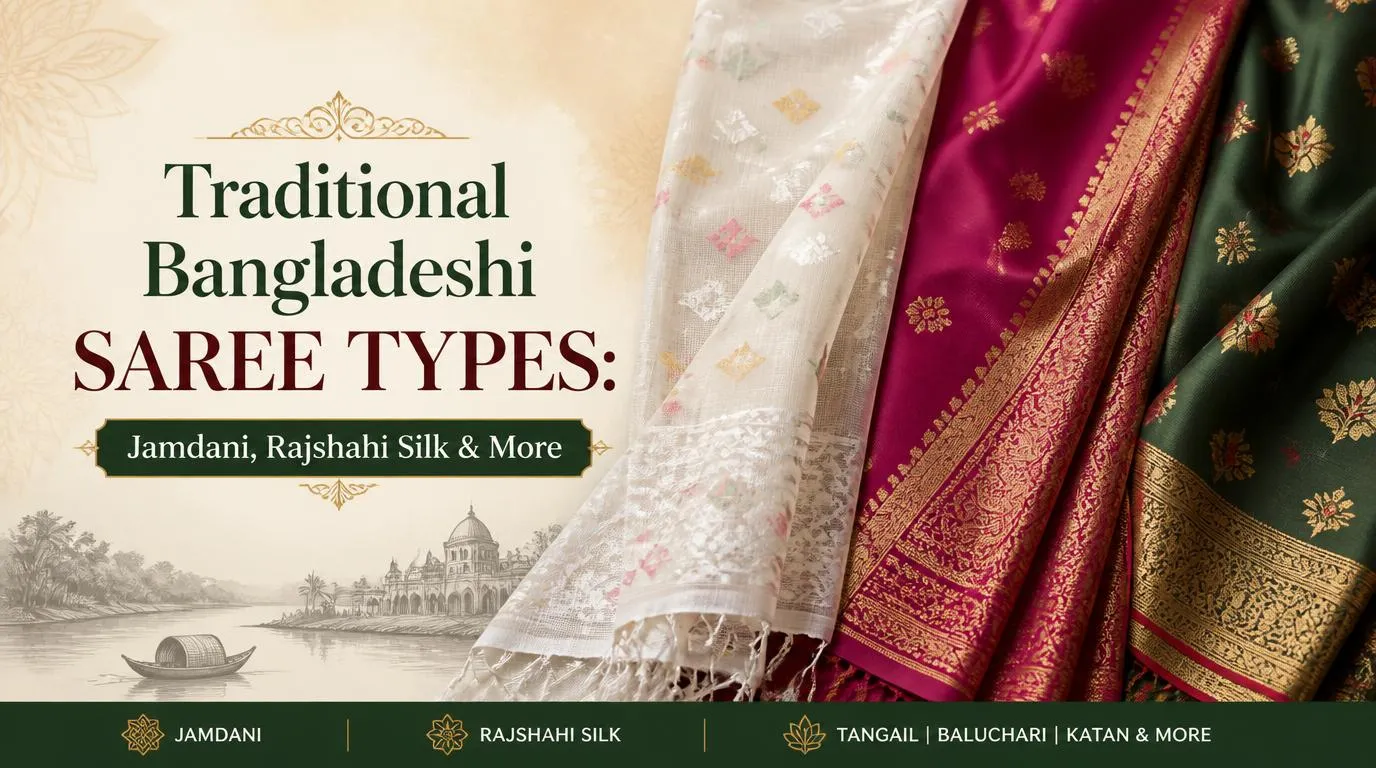
Bangladesh is a land woven in threads. For centuries, the traditional Bangladeshi saree has been more than just clothing – it's a cultural identity, a symbol of heritage, and a testament to the extraordinary skill of its weavers. From the gossamer elegance of Jamdani to the rustic charm of handloom cotton, each saree type tells a unique story of the region it comes from.
I've travelled across Bangladesh – from the looms of Narayanganj to the weaving villages of Tangail and the silk farms of Rajshahi. In this guide, I'll walk you through the seven most iconic traditional saree types that define Bangladesh's textile heritage. Whether you're a collector, a bride-to-be, or simply someone who appreciates fine craftsmanship, this is your complete introduction to the soul of Bangladeshi weaving.
Table of Contents
- Introduction
- 1. Jamdani – The Queen of Weaves
- 2. Tangail – The Border Beauty
- 3. Benarasi – The Royal Heritage
- 4. Rajshahi Silk – The Golden Thread
- 5. Muslin – The Lost Treasure
- 6. Katan Silk – The Modern Classic
- 7. Handloom Cotton – The Everyday Elegance
- Quick Comparison Guide
- FAQ: Traditional Bangladeshi Sarees
1. Jamdani – The Queen of Weaves
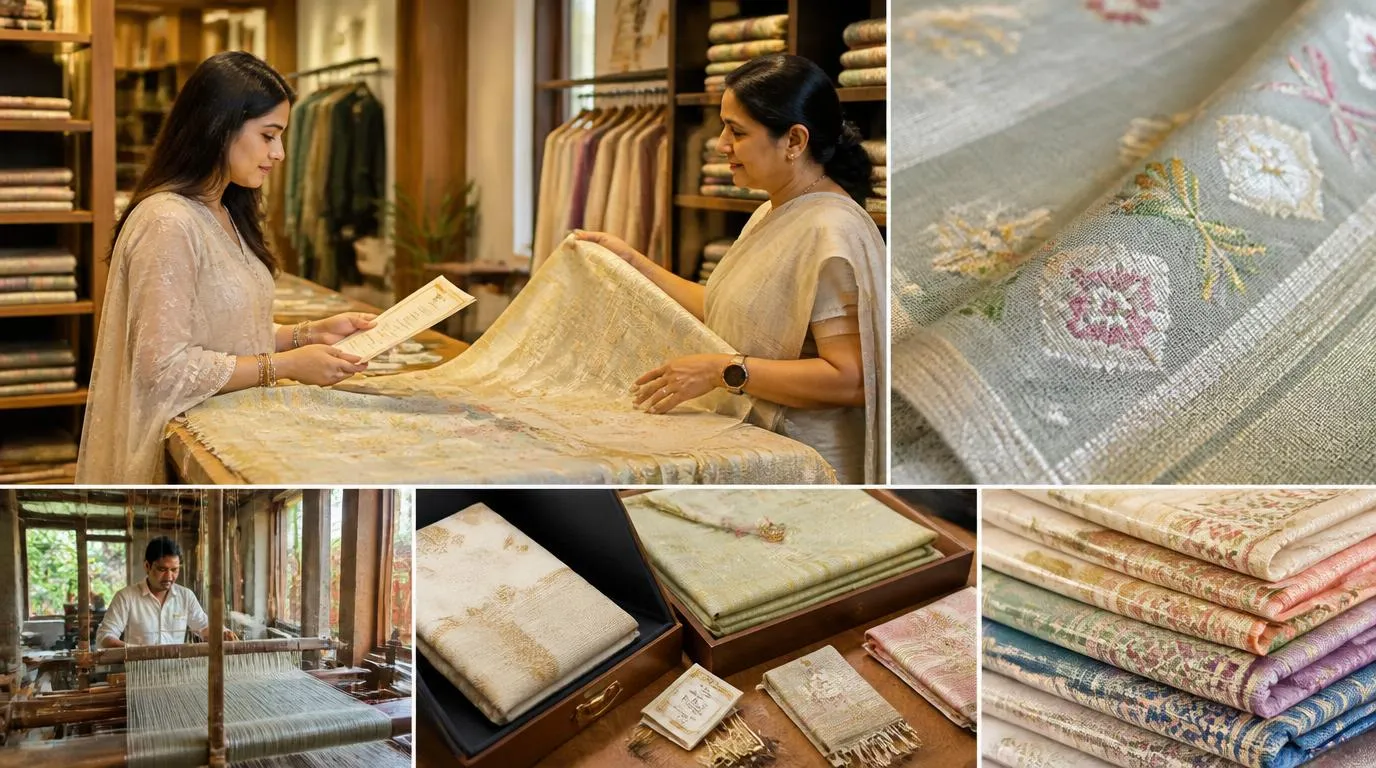
Origin: Dhaka region (Narayanganj, Sonargaon)
Fabric: Fine cotton or silk with supplementary
weft motifs
Significance: UNESCO Intangible Cultural Heritage
Jamdani is not just a saree – it's a living heritage. Woven on traditional pit looms in the Dhaka region, Jamdani is renowned for its incredibly fine fabric and intricate motifs that appear to float on the surface. The weaving technique is unique to Bangladesh: the weaver adds supplementary weft threads by hand, creating patterns that are visible on both sides of the fabric.
Traditional Jamdani motifs include flowers (lotus, jasmine, rose), vines (tor), geometric patterns (jali), and paisley (kalka). The warp count – the number of threads per inch – can range from 100 to over 200, with higher counts indicating finer, more premium sarees. A high-quality Jamdani is lightweight, breathable, and has a subtle, natural sheen.
Cultural significance: Jamdani has been woven in Bengal since the Mughal era and was highly prized by royalty. Today, it's the saree of choice for brides, dignitaries, and anyone celebrating a special occasion. The UNESCO recognition in 2013 cemented its place as a global cultural treasure.
Colour palette: Traditional Jamdani uses white or off-white bases with coloured motifs – red, maroon, indigo, green, and gold are classic choices. Contemporary versions also feature pastel shades and earthy tones.
2. Tangail – The Border Beauty
Origin: Tangail district
Fabric: Cotton, silk-cotton blend, or pure silk
Significance: Known for its distinctive borders
and affordable elegance
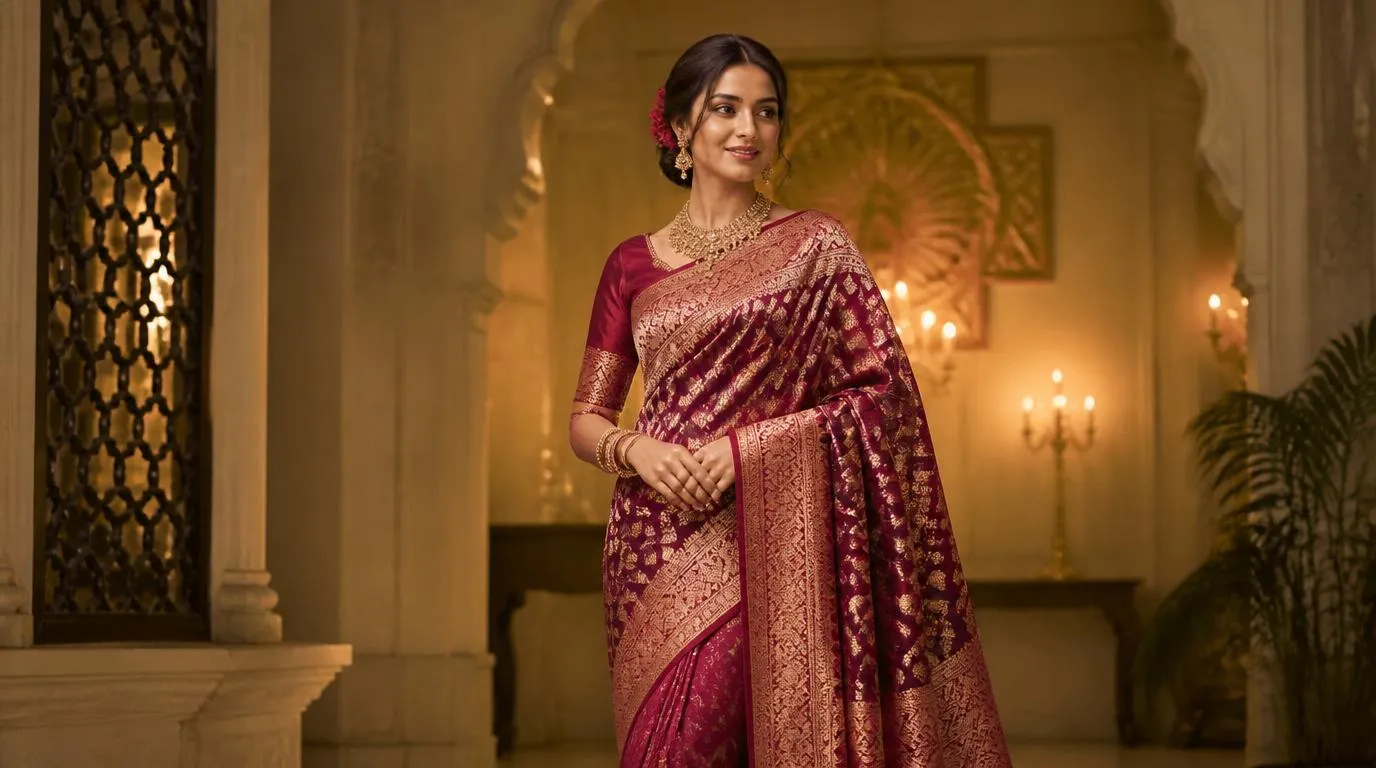
Tangail sarees are the everyday heirlooms of Bangladesh. Woven in the Tangail district, these sarees are celebrated for their distinctive borders, which are often wider and more colourful than those of Jamdani. The weaving technique is similar to Jamdani but less intricate, making Tangail sarees more affordable and accessible.
What makes Tangail sarees special is the variety of border designs. You'll find geometric patterns, floral vines, and even paisley motifs woven into the borders. The pallu (the decorative end) often features parallel stripes or buttidar (small motif) work. Tangail sarees are typically woven in cotton or a silk-cotton blend, making them comfortable for daily wear yet festive enough for casual celebrations.
Why it's beloved: Tangail sarees are the workhorses of the Bengali wardrobe. They are easy to drape, comfortable in all seasons, and come in a wide range of colours to suit every taste. They are also incredibly durable – a well-made Tangail saree can last for decades.
Styling tip: Pair a Tangail saree with traditional silver or gold jewellery for a classic look. For a more contemporary vibe, style it with a contrasting blouse and modern accessories.
3. Benarasi – The Royal Heritage
Origin: Woven in Bangladesh (traditionally from
Varanasi, India)
Fabric: Pure silk with real or imitation zari
Significance: The quintessential bridal saree
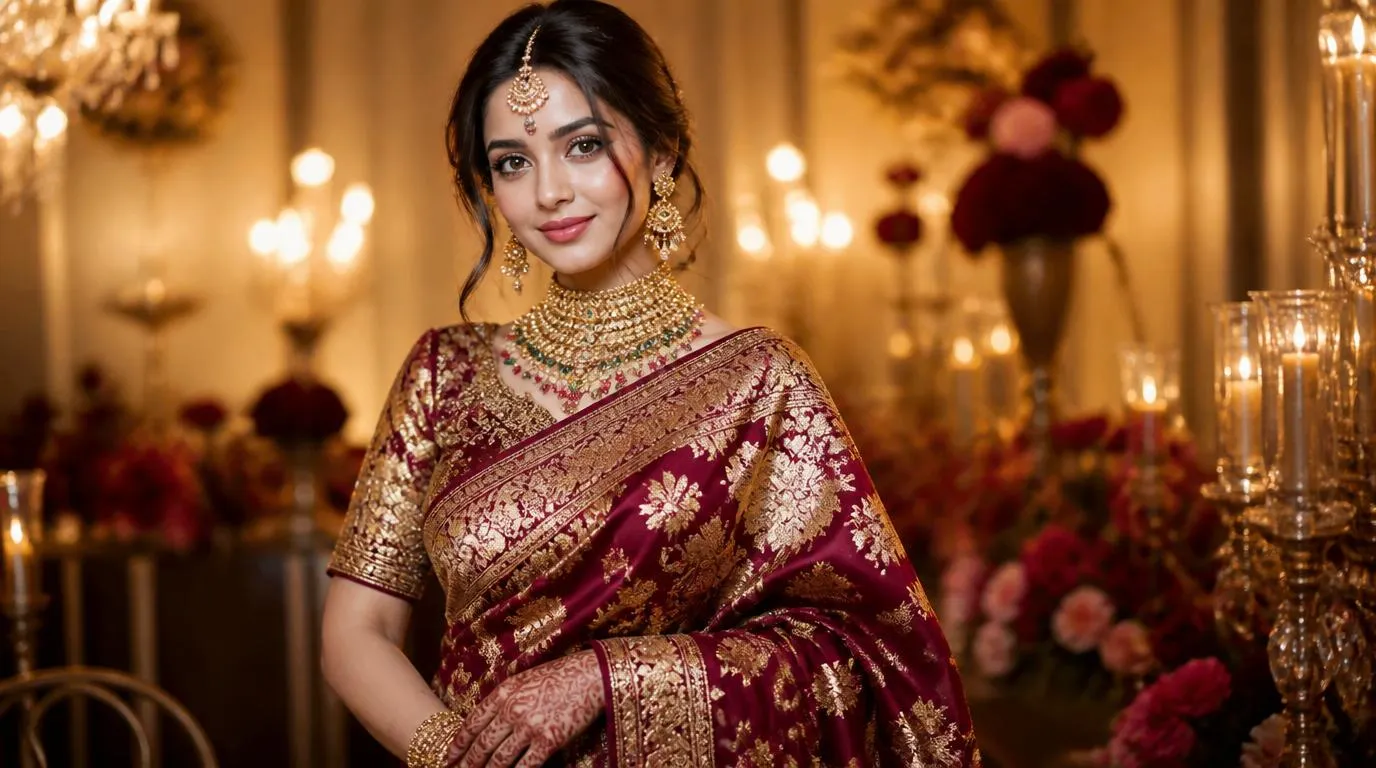
Benarasi sarees are the crown jewels of Bangladeshi wedding trousseaus. Though they originated in Varanasi, India, Benarasi sarees have been woven in Bangladesh for over a century and have become an integral part of the country's wedding traditions. Bangladeshi Benarasi sarees have developed their own distinct character – with unique colour combinations, motif designs, and weaving techniques.
A traditional Benarasi is woven with pure mulberry silk and real zari (silver wire coated with gold). The pallu is densely covered with floral, paisley, or geometric patterns, and the border is heavy and structured. The body of the saree features buttidar (small motifs) work that adds depth and richness.
Regional variations: Bangladeshi Benarasi sarees often feature more vibrant colours – deep reds, royal purples, emerald greens, and gold – compared to their Indian counterparts. They also tend to have lighter, more breathable fabrics, making them better suited for Bangladesh's warm climate.
Occasion: Benarasi sarees are reserved for the most special occasions – weddings, receptions, and major festivals. A bride's Benarasi saree is often passed down through generations, becoming a cherished family heirloom.
4. Rajshahi Silk – The Golden Thread
Origin: Rajshahi division
Fabric: Mulberry silk (locally produced)
Significance: Bangladesh's own silk tradition
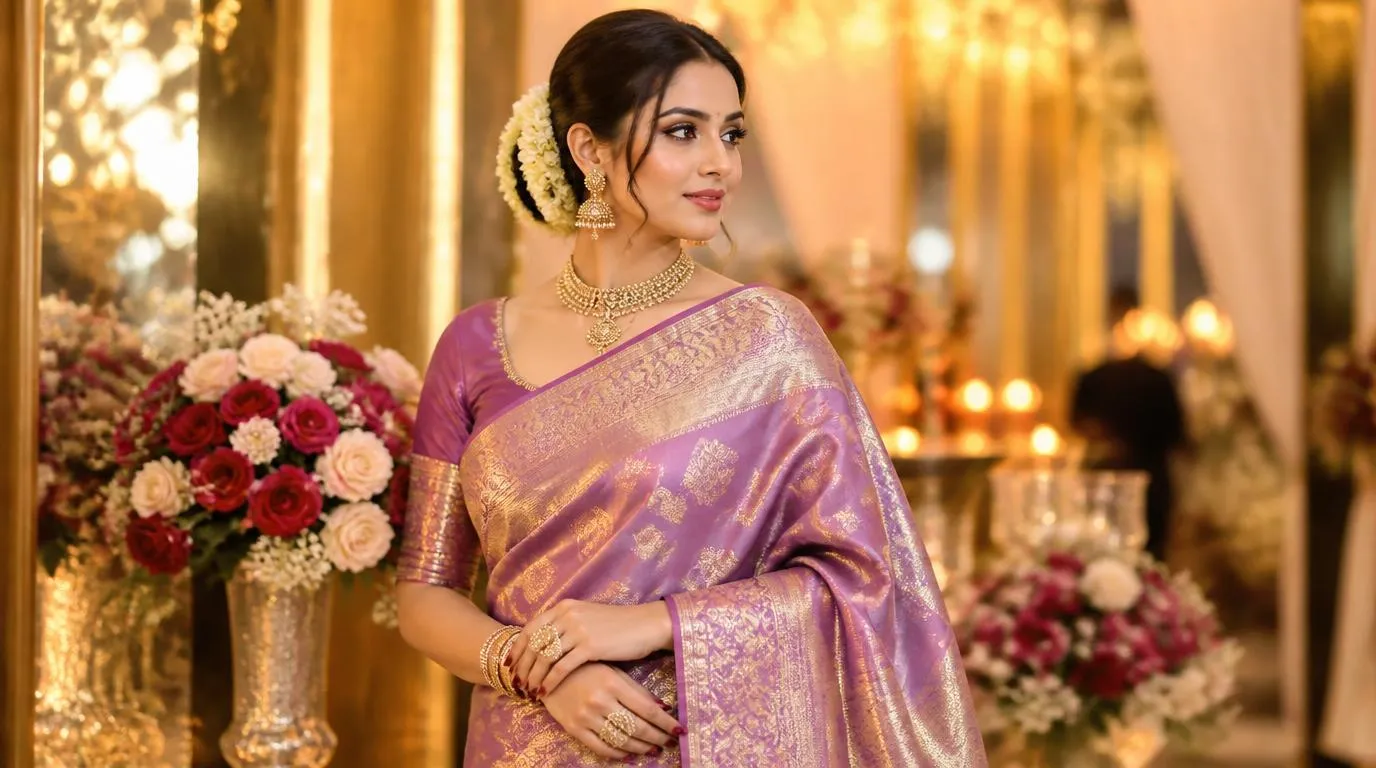
Rajshahi Silk is Bangladesh's homegrown silk tradition. The Rajshahi division is the heart of the country's silk industry, with a history that dates back to ancient times. The silk is produced from mulberry silkworms raised in the region, and the weaving tradition has been passed down through generations.
Traditional Rajshahi silk sarees have a distinctive texture – they are slightly coarse compared to the smoothness of pure mulberry silk, with a natural, rustic sheen. This texture is known as matka finish and is highly prized for its durability and unique character.
The weaving techniques of Rajshahi silk are similar to Tangail – with emphasis on border designs and pallu motifs. However, Rajshahi silk uses pure silk instead of cotton, giving the saree a richer, more festive feel.
Cultural significance: Rajshahi silk represents the independence and pride of Bangladesh's silk industry. It's a symbol of local craftsmanship and is often worn at cultural events, weddings, and national celebrations.
5. Muslin – The Lost Treasure
Origin: Dhaka (historic Sonargaon)
Fabric: Extremely fine hand-spun cotton
Significance: A lost art being revived by
heritage weavers
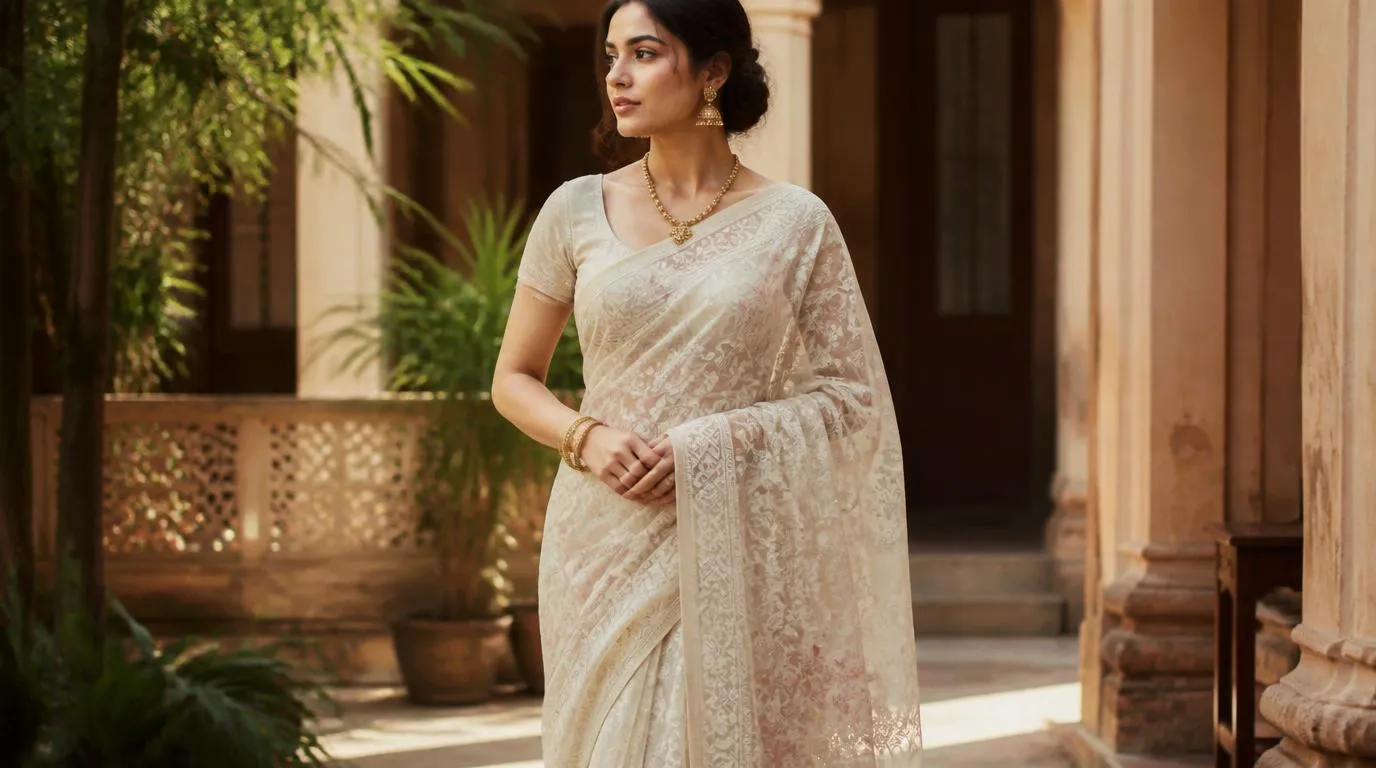
Muslin is the legendary fabric of Bengal – so fine that it was said to be "woven air". Historically, Dhaka Muslin was renowned worldwide and was a favourite of Mughal emperors and European royalty. The fabric was so delicate that a saree could be passed through a ring or folded into a matchbox.
The secret of Muslin was the unique cotton variety – Phuti Karpas – which grew only along the banks of the Meghna River. With the decline of the Mughal empire and the arrival of British industrialisation, the art of Muslin weaving was lost.
Today, heritage weavers in Bangladesh are reviving this lost art. Modern Muslin sarees are woven with the finest hand-spun cotton and feature minimalist designs – often with a simple zari border or subtle buttidar work. These sarees are incredibly lightweight, breathable, and have a translucent, ethereal quality.
Why it matters: The revival of Muslin is a celebration of Bangladesh's textile heritage. Wearing a Muslin saree is a way to connect with history and support the artisans who are keeping this ancient craft alive.
6. Katan Silk – The Modern Classic
Origin: Various weaving clusters across
Bangladesh
Fabric: High-twist mulberry silk
Significance: A contemporary evolution of
traditional weaving
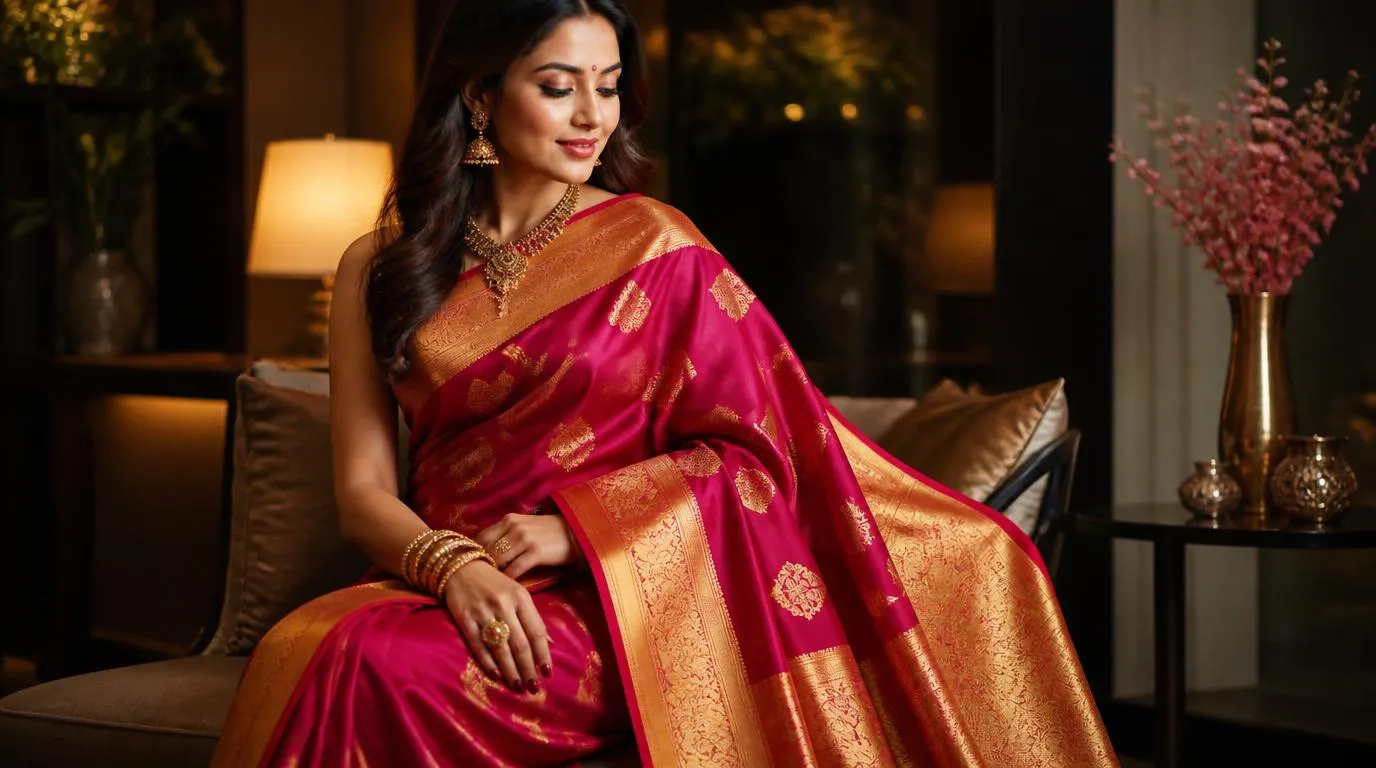
Katan Silk represents the evolution of traditional weaving in Bangladesh. It uses a high-twist silk yarn that gives the fabric a crisp, smooth texture and a glossy sheen. The weave is denser and stronger than traditional silk, making it more durable and easier to drape.
What makes Katan silk traditional is the weaving techniques – it uses jamdani-style supplementary weft to create woven patterns directly into the fabric. These patterns range from traditional floral motifs to modern geometric designs, making Katan a bridge between tradition and modernity.
Popularity: Katan silk sarees are extremely popular among young brides and fashion enthusiasts. They offer the heritage look of traditional weaves with a contemporary feel and are available in a wide range of colours – from pastels to vibrant jewel tones.
7. Handloom Cotton – The Everyday Elegance
Origin: Woven across Bangladesh
Fabric: 100% hand-spun or mill-spun cotton
Significance: The foundation of Bangladesh's
weaving heritage
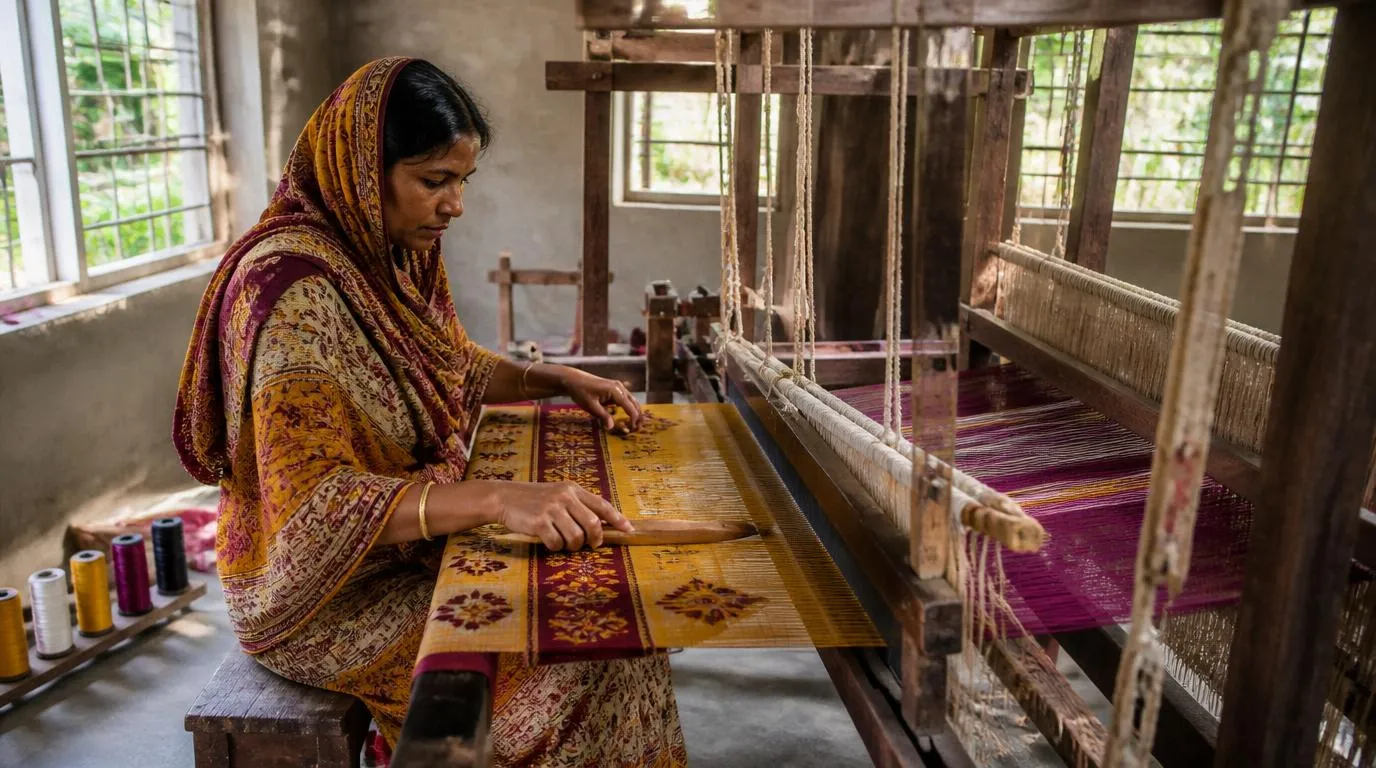
Handloom cotton is the unsung hero of Bangladesh's textile tradition. For centuries, rural women and village weavers have been weaving beautiful cotton sarees on simple handlooms. These sarees are comfortable, breathable, and affordable – making them the everyday choice for millions of Bangladeshi women.
The beauty of handloom cotton lies in its simplicity. The weave is usually plain or with simple stripes, and the borders are often woven in contrast colours – red, green, blue, or black. Some handloom cotton sarees feature Nakshi Kantha (hand embroidery) inspired designs, adding a touch of folk artistry.
Regional variations: Different regions of Bangladesh have their own unique handloom cotton styles. The sarees of Pabna, the cottons of Comilla, and the striped weaves of Noakhali all have their distinctive character and following.
Why it matters: Handloom cotton sarees support rural livelihoods and preserve traditional weaving skills. They are a sustainable, eco-friendly choice and a beautiful way to connect with Bangladesh's rural heritage.
Quick Comparison – which traditional saree is for you?
- For a bride (traditional): Jamdani or Benarasi – heritage and royalty combined
- For a bride (modern): Katan Silk – traditional weave with a contemporary feel
- For wedding guest (close family): Silk Jamdani or Rajshahi Silk – elegant and festive
- For everyday wear: Handloom Cotton or light Tangail – comfortable and durable
- For special occasions: Benarasi or Muslin – make a statement
- For summer weddings: Muslin or fine Jamdani – lightweight and breathable
- For heritage lovers: Original Jamdani or revived Muslin – a piece of history