
 Image credit: Pexels
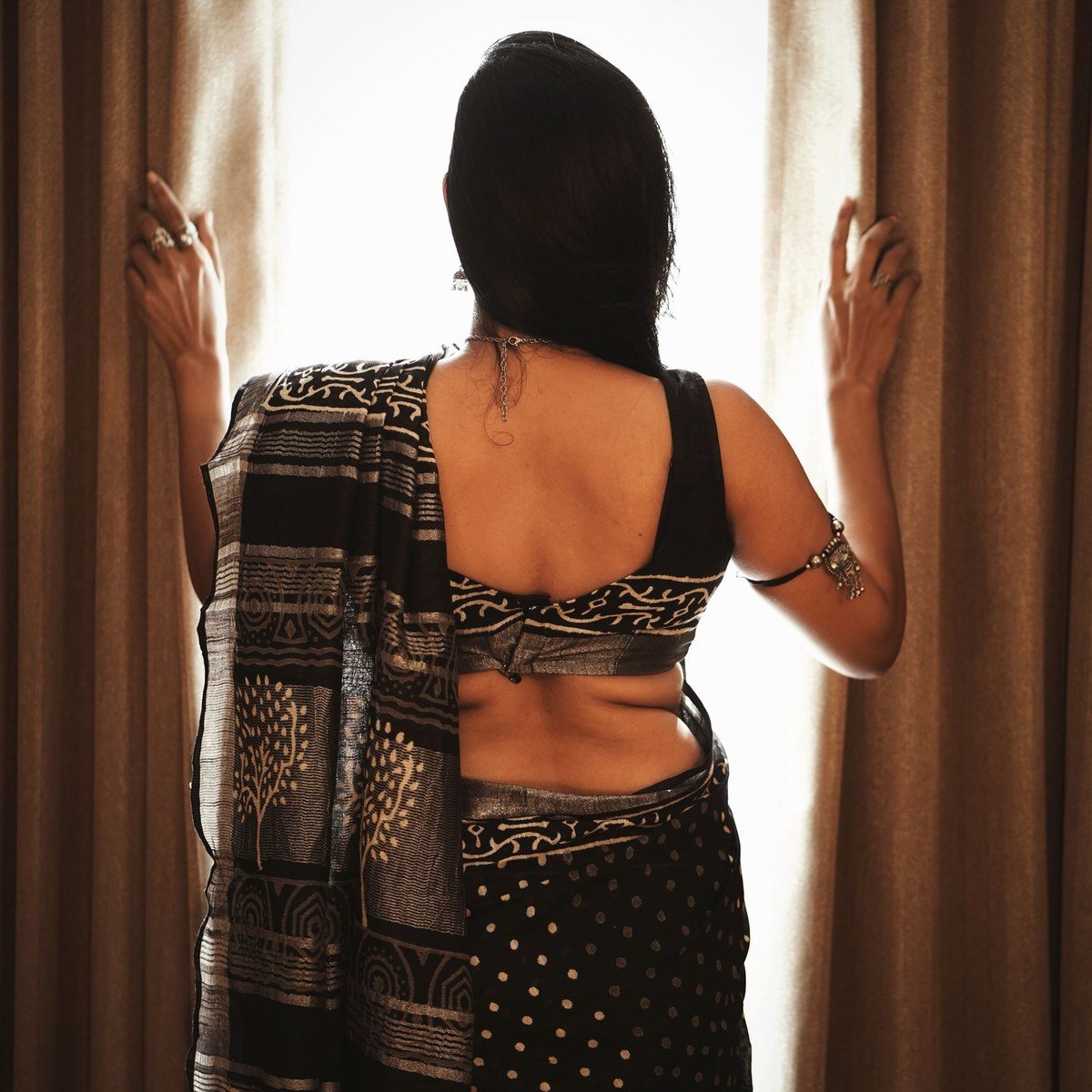
A saree blouse is seen from behind almost as much as from the front, across a crowded room, in group photographs, every time the wearer turns to greet someone. That is why back neck blouse design ideas deserve a guide of their own, separate from front necklines. The back is the largest uninterrupted panel of the blouse, and it can carry a deep curve, a tied dori, a sheer panel or a single perfect keyhole with none of the competition from jewelry that the front has to manage.
This guide goes through the back design families one by one, open backs, pot neck, keyholes, dori tie-ups, sheer panels, cutwork, boat and high backs, and embellished backs, explaining how each is built, which sarees it flatters, and which pallu drape will actually show it.
- First, Decide How the Pallu Will Be Worn
- The Classic Open Backs: Deep U and Deep V
- Pot Neck and Round Backs
- Keyhole Backs: A Little Skin, a Lot of Design
- Dori Tie-Ups and Tassels
- Sheer and Illusion Panels
- Cutwork and Shaped Cutouts
- Boat Backs and High Backs With an Opening
- Embellished Backs
- Back Neck Designs at a Glance
- Support and Tailoring Notes That Decide the Result
- Frequently Asked Questions
- Conclusion
First, Decide How the Pallu Will Be Worn
A back design only exists if it is visible. The sari is draped in many ways, and the pallu, the decorated end carried over the shoulder, decides how much of the blouse back anyone sees. A pallu pinned neatly and falling straight down the back covers most of it; a pallu draped to one side, left floating, or worn Gujarati-style across the front leaves the back open to view.
Regional drapes change the picture further: as our survey of traditional Indian saree draping styles shows, the Bengali Aatpoure wraps the pallu around the body, while the Kodagu drape pins it behind the back entirely. Decide the drape first, then spend the design budget where it will be seen, a covered back wants a simple cut, an exposed back can carry the deepest curve or the finest embroidery.
The Classic Open Backs: Deep U and Deep V
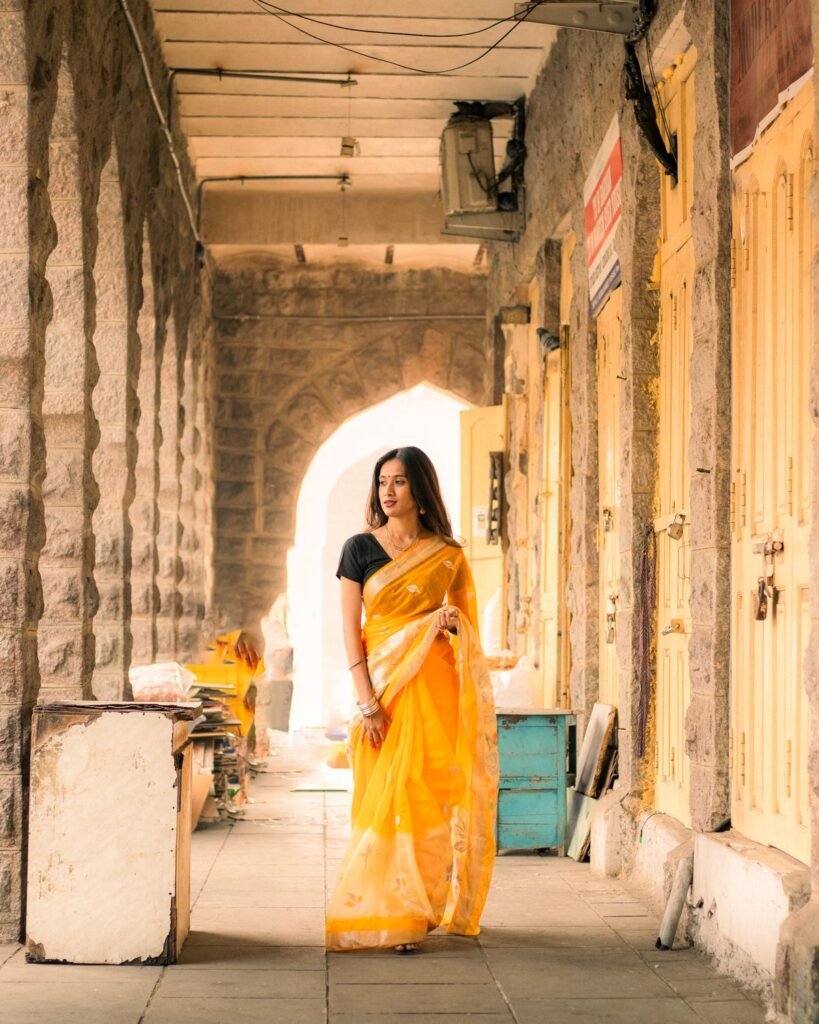
The deep U is the most enduring of all back neck blouse design ideas: a long, smooth scoop that can end anywhere from mid-back to just above the blouse band. It suits nearly every saree and every tailor can cut it well. Edged with piping, a thin border or a line of small buttons, it reads as classic rather than daring, and it is the safest first deep back for anyone moving away from standard cuts.
The deep V is the U’s sharper sister, a plunging point that lengthens the back visually and suits evening and reception wear. It is often finished with a small tie or button at the top so the shoulders do not slip. Both designs follow one balance rule: the deeper the back, the higher and simpler the front should be, so the blouse looks designed rather than merely revealing.
Pot Neck and Round Backs
The pot neck is a traditional South Indian back shape named for its resemblance to the rounded mouth of a clay pot: a high, wide round opening that curves down in a full arc, often outlined with a border or small embellishments. It shows a generous but graceful amount of back, keeps the shoulders fully covered, and is a long-standing partner for silk sarees at weddings and temple occasions. Because the opening is wide rather than deep, it offers drama without the support problems of a plunging back.
The plain round back, a simple circular or oval scoop, is the quietest design in this guide and the easiest to tailor correctly. It is the right choice when the saree’s print or weave should hold all the attention.
Keyhole Backs: A Little Skin, a Lot of Design
A keyhole back keeps the back panel closed and cuts a single opening into it, teardrop, round, oval or the pointed fisheye shape. It is the design for women who want the interest of an open back with the security of a covered one: the surrounding fabric carries the blouse’s structure, so support stays close to a regular blouse.
Keyholes reward precision. The opening must sit centered and flat, which is why tailors often stabilize it with interlining, especially on soft silks. A fisheye keyhole, narrow at the top and bottom, wider in the middle, is a frequent request with heavy brocade sarees, because it looks finished against a rich back panel. A small keyhole near the top of a high back, closed with a fabric-covered button, is the most formal version.
Dori Tie-Ups and Tassels
The dori, a cord tied across an open back, is both fastening and decoration. In a single-dori design, one tie closes the top of a deep U or V back; in double-dori and criss-cross versions, cords lace across the opening and let the wearer adjust the fit slightly across a long day. The dori usually ends in tassels or latkans, beaded drops, small bells or fabric tassels, that move as the wearer moves and give the back a focal point.
One practical note decides whether a dori back works: placement. A dori tied too low lets the shoulder straps drift, so the main tie should sit high, near the top of the opening.
Sheer and Illusion Panels
A sheer back fills a deep or wide opening with net, organza or illusion fabric, plain or scattered with embroidery, sequins or motifs. From a distance it reads as an open back; in reality the panel holds the blouse together, supports the shoulders and keeps everything in place. It is the honest solution for anyone who loves the deep-back look but needs the blouse to survive a full day of dancing and wear.
Sheer panels also allow designs that open fabric cannot: embroidery can appear to float on the skin, and a scalloped lace edge can trace the opening. The quality of the net decides the result, a soft, fine net in a shade close to the skin or the blouse disappears, while a stiff, shiny net announces itself. Ask to see the actual net before agreeing.
Cutwork and Shaped Cutouts
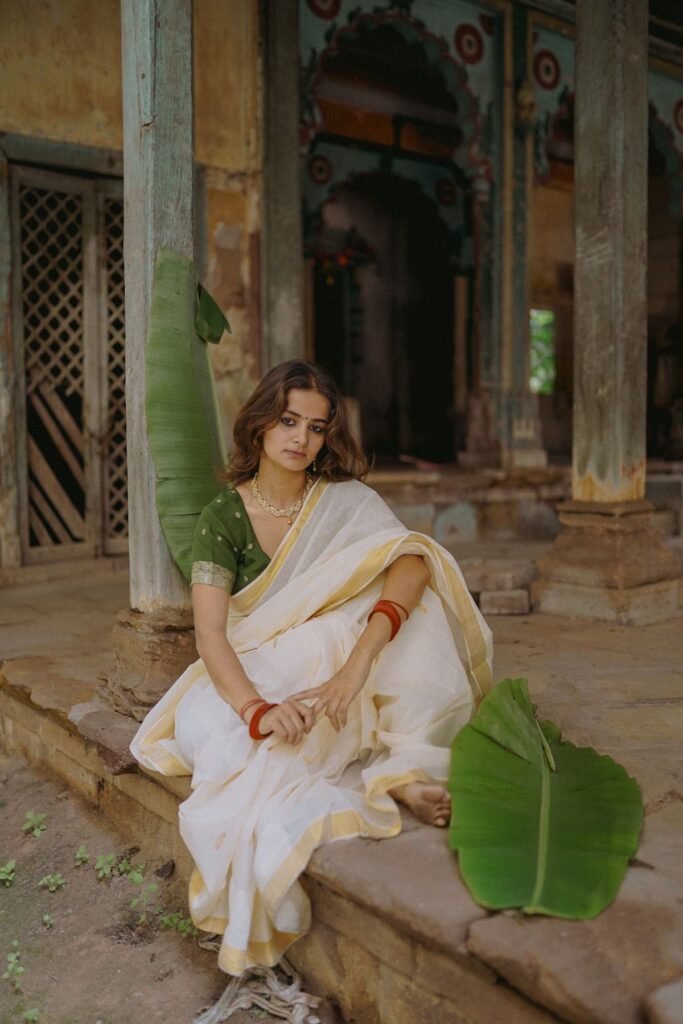
Cutwork backs take the keyhole idea further: shaped openings, diamonds, scallops, leaf and motif shapes, even a small window framed on all four sides, cut into the back panel and finished with embroidery or piping around the edge. They are the most tailor-dependent designs in this guide. A shaped opening cut slightly off-center or finished without stabilization will pucker within a few wears, so commission it from a tailor whose cutwork you have seen, and fit it at least once before final stitching.
Boat Backs and High Backs With an Opening
The boat back mirrors the boat neck: a wide, shallow curve running across the shoulder blades. It shows the shoulders rather than the spine, suits sarees worn with the pallu pinned to fall straight down the back, and pairs naturally with a boat or high front for an elegant, covered look.
The high back closes the panel up to the neck and is finished with hooks, a concealed zip or a row of fabric-covered potli buttons. On its own it is the most traditional and formal back; with one small addition, a keyhole at the top, a short slit with a button loop, it becomes a design rather than a default. High backs with button rows are also the most forgiving to alter.
Embellished Backs
Embellishment concentrated on the back panel, zardozi or thread embroidery framing an opening, mirror work across a closed back, a single large motif between the shoulder blades, turns the blouse into the outfit’s second statement after the saree itself. It works best on a closed or keyhole back, where the fabric can carry the weight, and on plain or lightly worked sarees that leave the blouse room to shine. On a heavily woven saree, keep back embellishment to the edge of the opening rather than the whole panel, so the two are not competing at the same volume. For the rest of the blouse, fronts, sleeves and fabrics, see our overview of the latest saree blouse designs.
Back Neck Designs at a Glance
| Design | Coverage | Best sarees | Pallu that shows it | Support notes |
|---|---|---|---|---|
| Deep U | Open, adjustable depth | Silk, chiffon, georgette, almost all | Side-draped or floating pallu | Needs lining or cups at greater depths |
| Deep V | Open, dramatic | Evening and reception sarees | Floating pallu or seedha pallu | Top tie or button keeps shoulders in place |
| Pot neck | Wide opening, shoulders covered | Traditional silk sarees | Pallu pinned to one side | Good natural support; border edge adds structure |
| Keyhole | Closed with one opening | Heavy brocade, printed sarees | Any drape | Closest to a regular blouse; stabilize the opening |
| Dori tie-up | Open, laced or single tie | Festive silks, wedding sarees | Side-draped pallu so the tassels show | Tie high; closure moves to front hooks or side zip |
| Sheer panel | Appears open, actually covered | Evening, sequin and net sarees | Any drape, the panel is the design | Best support of the open-look designs |
| Cutwork | Closed with shaped openings | Plain sarees that need a focal point | Floating or side pallu | Needs a skilled tailor and a trial fitting |
| Boat back | Wide and shallow | Silks of most weights | Pallu falling straight down the back | Stable and comfortable for long wear |
| High back + opening | Mostly closed | Formal and traditional sarees | Covered drapes are fine, detail sits at the top | Easiest to alter; buttons or zip closure |
Support and Tailoring Notes That Decide the Result
Every open-back design trades structure for skin, so the support has to be planned back in. Deep U, deep V and dori backs need built-in cups, a structured inner lining or well-planned straps agreed before cutting; adhesive options exist for a single evening but are the least reliable choice for a long event. Keep the main dori or tie high on the back, where it holds the shoulders. Decide the closure with the design, open backs usually mean front hooks or a side zip, and ask for extra seam allowance inside the blouse so the fit can be adjusted later. Finally, fit the blouse with the actual saree: a heavy silk pallu resting on the back changes how an opening sits compared with a light chiffon one.
Frequently Asked Questions
Q: Which back neck design suits a heavy silk saree best?
A fisheye or teardrop keyhole is the classic choice for heavy brocades such as Banarasi, because it looks finished against a rich back panel without extra embellishment. A pot neck with a border edge is the traditional alternative for Kanjivaram-style silks, and a boat back works when the pallu will fall straight down the back. Very deep open backs can fight the weight and formality of a heavy silk.
Q: How deep can a blouse back be while still giving support?
There is no single depth, because support comes from construction rather than the tape measure. A back that ends around the mid-back usually keeps enough structure for lining and straps; below that, the design generally needs built-in cups, a structured bodice or a sheer panel to stay secure. The reliable test is a fitting: raise your arms, sit and bend, and check whether the shoulders and band stay in place.
Q: What is a pot neck blouse back design?
It is a traditional back shape named after the rounded mouth of a clay pot: a high, wide, full arc opening that shows the upper back while keeping the shoulders covered. Often outlined with a border, it is a long-standing partner for silk sarees at weddings, offering drama with fewer support problems than a plunging back.
Q: Which back design works best with an open or floating pallu drape?
All of the statement designs, deep U and V backs, dori tie-ups, cutwork and embellished backs, are made for a pallu that leaves the back visible, whether it floats, is draped to one side or is worn across the front. If the pallu will instead be pinned down the back, choose a boat back or a high back with a small opening at the top, where the visible detail sits above the pallu line.
Q: What should I tell my tailor before stitching a dori or deep-back blouse?
Specify the depth and shape of the opening, where the main dori should tie (high, near the top of the opening), what will provide support, built-in cups, lining or a sheer panel, and how the blouse will close, since open backs usually need front hooks or a side zip. Ask for extra seam allowance, and book a trial fitting with the actual saree before the blouse is finished.
Conclusion
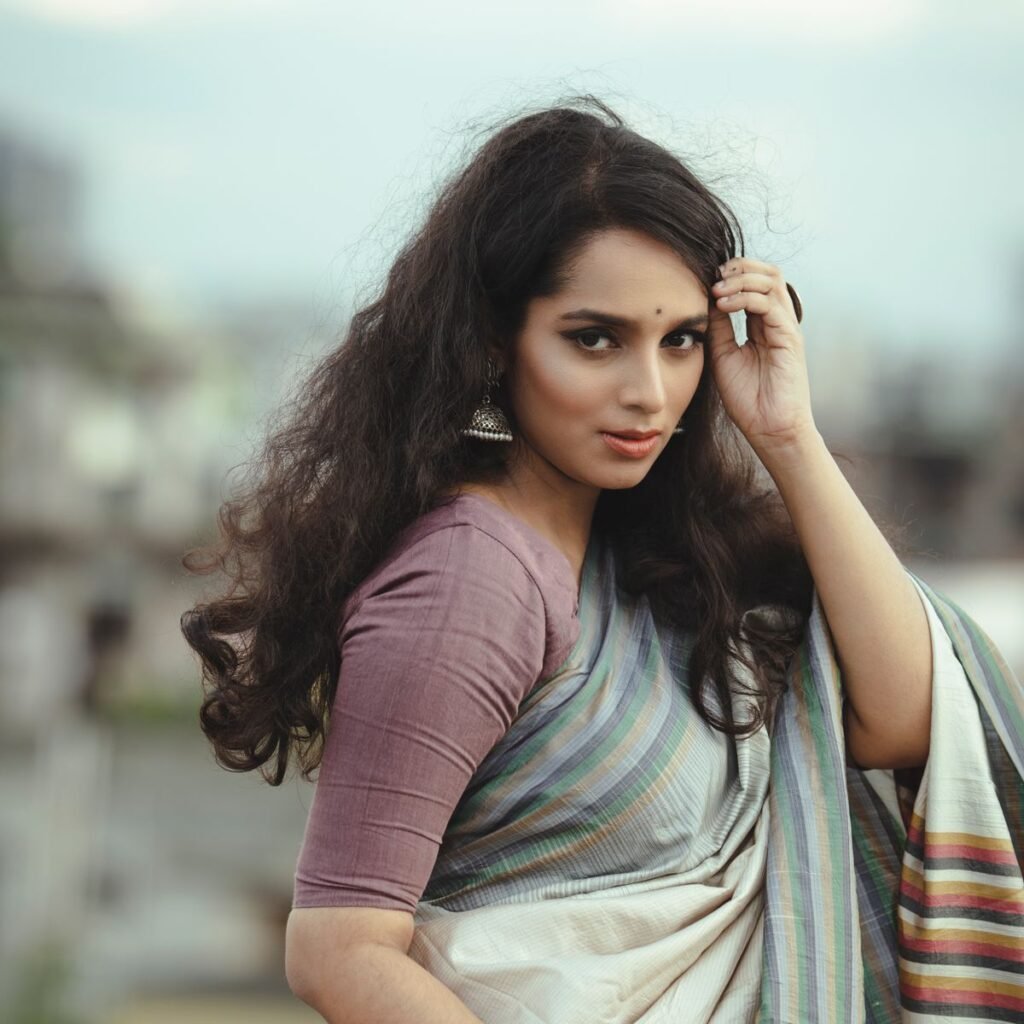
The best back neck blouse design ideas share one habit: they are chosen together with the drape, the saree and the support, not from a photograph alone. Deep U and V backs give classic drama, pot necks and keyholes give design with security, dori tie-ups add movement and adjustability, sheer panels fake the open look with real structure, and boat and high backs prove that a covered back can still be a designed one. Decide how the pallu will fall, tell your tailor how the blouse must hold up, and the back of the blouse will carry the whole look the moment you turn around.