
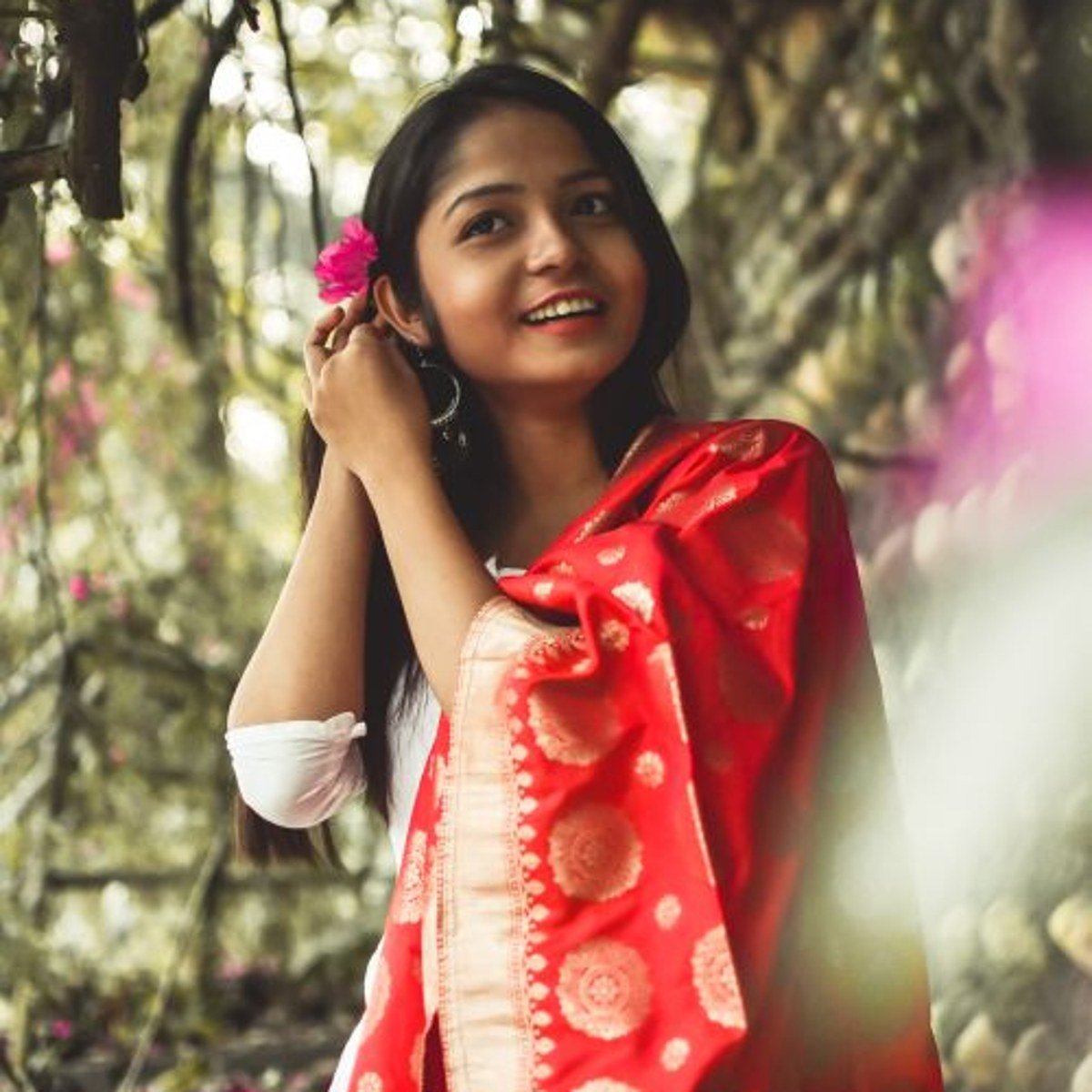
 Image credit: Pexels
When summer temperatures climb, a saree can be either the coolest thing in your wardrobe or the most uncomfortable, and the difference is almost entirely the fabric. Six yards of heavy silk with dense zari work will trap heat no matter how beautiful it looks, while the same drape in a fine, open-weave cotton lets air move and sweat evaporate. Whether you are dressing for an outdoor wedding in Texas, a humid festival weekend in Florida, or simply a hot commute, choosing the right summer fabric matters more than the color, the border, or the blouse.
This guide ranks the best saree fabrics for summer by what actually keeps you cool: breathability, weight, and how the fabric handles sweat. If you want a broader overview of how saree fabrics behave in general, start with our guide to different saree fabrics explained, then come back here for the hot-weather shortlist.
- What Makes a Saree Fabric Summer-Friendly?
- Mulmul Cotton, The Coolest of All
- Handloom Cotton, The Reliable All-Rounder
- Linen, Crisp, Quick-Drying, Contemporary
- Kota Doria, The Open-Weave Specialist
- Khadi Cotton, Hand-Spun and Naturally Ventilated
- Silk-Cotton Blends and Chanderi, Sheen Without the Swelter
- Chiffon and Georgette, Light, With Caveats
- Summer Saree Fabrics at a Glance
- What to Avoid in Summer
- Frequently Asked Questions
- Conclusion
What Makes a Saree Fabric Summer-Friendly?
Four properties decide whether a saree feels pleasant or punishing in the heat:
- Breathability. Air has to move through the weave. Loosely woven natural fibers let heat escape; tight synthetic weaves hold it against your skin.
- Moisture absorption. A summer fabric should absorb sweat and let it evaporate instead of leaving the cloth clammy and clinging. Cotton and linen excel here.
- Weight. Every extra bit of weight hangs on your shoulder for hours. Feather-light fabrics, the kind you barely feel, win in peak heat.
- Fiber type. Natural fibers such as cotton, linen, and silk generally breathe better than polyester. Many modern chiffons and georgettes are polyester, which is light but does not absorb moisture.
With those tests in mind, here is the ranking, from the coolest all-rounder down to the options that work only with caveats.
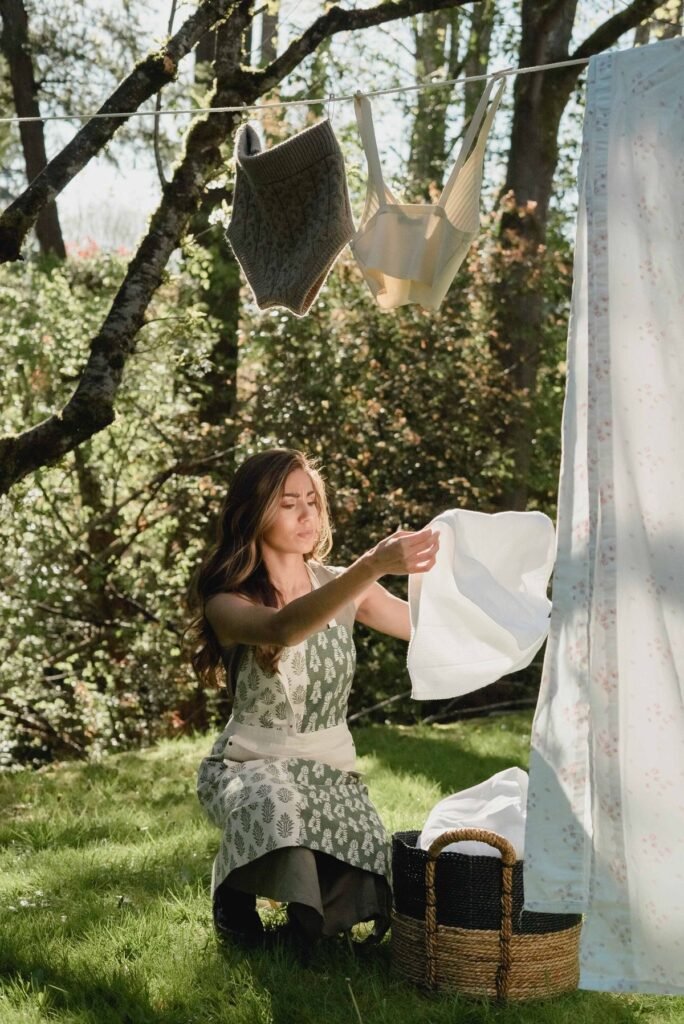
1. Mulmul Cotton, The Coolest of All
Mulmul, the fine cotton muslin of Bengal and India, is the fabric experienced summer wearers reach for first. Its weave is so fine and soft that a mulmul saree is often described as feeling like a second skin, or like wearing a cloud. Air passes through it freely, it absorbs perspiration without turning heavy, and it stays gentle on skin that is already irritated by heat and sun.
Mulmul is at its best for daytime wear, casual gatherings, and long hours outdoors in serious heat. Pastel and light shades are popular for a reason: pale colors reflect sunlight and show off the fabric’s soft, matte texture beautifully. The trade-offs are delicacy and sheerness. Very fine mulmul can be slightly transparent, so many women pair it with a well-fitted petticoat, and it rewards gentle washing rather than rough handling. For background on this historic cloth, see the history of muslin.
2. Handloom Cotton, The Reliable All-Rounder
If mulmul is the specialist, plain handloom cotton is the dependable everyday champion, the fabric that tops nearly every summer list. Cotton fibers allow continuous airflow, absorb sweat without feeling damp against the skin, and do not cling when you perspire. A cotton saree also gets softer with every wash, so a well-loved piece often feels better in its third summer than in its first.
Regional handloom cottons give you plenty of choice: crisp Bengal handloom cottons with woven borders, soft Dhaniakhali weaves, and fine cotton Jamdani, in which the motifs are woven in by hand. Cotton Jamdani is a particularly good summer occasion fabric, festive enough for a daytime event, yet still genuinely breathable; you can explore the main varieties in our guide to the different types of Jamdani sarees. Cotton’s one weakness is creasing: it wrinkles more readily than silk or synthetics, which matters if you will be sitting for hours.
3. Linen, Crisp, Quick-Drying, Contemporary
Linen, woven from flax, is one of the most breathable saree fabrics available, many wearers find it feels even cooler than cotton. It absorbs moisture readily and dries quickly, so it never stays clammy, and its slightly crisp texture holds the saree away from the skin instead of letting it stick. That structure is why linen keeps its shape and looks composed even in humid weather.
Linen sarees suit office wear, daytime events, and travel, and their understated, textured look pairs well with minimal jewelry. The honest caveat is creasing: linen wrinkles easily and softens only gradually with washing and wear. If you love a relaxed, natural texture, that is part of the charm; if you need a flawless finish all day, cotton or a blend may serve you better.
4. Kota Doria, The Open-Weave Specialist
Kota Doria, from the Kota region of Rajasthan, is engineered for heat. Its signature square-check weave, called khat, mixes cotton and silk threads in an open grid that leaves tiny air pockets throughout the fabric. The result is a saree that is almost transparent, remarkably light, and ventilated by design, body heat dissipates instead of building up.
Because it has a slight crispness and sheen, Kota Doria works for festive daytime occasions, a summer wedding ceremony or a holiday lunch, where plain cotton might feel too plain. Despite its delicate appearance it is fairly resilient, though it appreciates careful handling and light starch rather than wringing. If maximum airflow is your priority, few fabrics beat it.
5. Khadi Cotton, Hand-Spun and Naturally Ventilated
Khadi is cotton that is spun by hand, and its slightly uneven yarns create a fabric full of tiny air channels. That irregular texture, the opposite of a tight, machine-smooth weave, helps heat escape and gives khadi excellent moisture absorption, so it stays comfortable through long outdoor days. It also has a distinctive rustic, earthy character that pairs naturally with hand-block prints and oxidized or tribal-style jewelry.
Khadi is a practical pick for all-day summer wear and for anyone who values hand-made, lower-impact textiles; the craft has a long heritage, outlined in the history of khadi. Expect a slightly coarser hand-feel than mulmul, khadi is about honest texture, not silkiness.

6. Silk-Cotton Blends and Chanderi, Sheen Without the Swelter
Sometimes summer includes a wedding or an evening reception where you want some glow. This is where blends earn their place. Silk-cotton sarees combine cotton’s breathability and lower weight with a gentle silk sheen, so they look dressed up without wearing like a full silk. Chanderi, woven in cotton, silk-cotton, or silk versions, is famously sheer and feather-light with a soft luminosity, which is why it is a classic answer for summer weddings and day functions.
Lightweight tussar silk is another option in this tier: it has a textured, matte-gold character and is lighter than dense mulberry silks. The rule for this whole category is restraint, choose plain or lightly worked pieces, and let the blouse do any heavy decorative lifting.
7. Chiffon and Georgette, Light, With Caveats
Chiffon and georgette are undeniably light and flowy, they drape without clinging, and for summer evenings and air-conditioned venues they can be a glamorous, comfortable choice. Georgette’s slightly crinkled texture also resists wrinkles and holds pleats well.
The caveat is fiber content. Most chiffon and georgette sold today is polyester, and polyester does not absorb sweat or breathe the way natural fibers do, on a humid afternoon outdoors, a synthetic chiffon can feel clammy even though it weighs almost nothing. Silk chiffon breathes better but is delicate and far less common. Treat these fabrics as evening options, keep embellishment minimal, and do not expect them to perform like cotton at midday.
Summer Saree Fabrics at a Glance
| Fabric | Breathability | Weight | Sweat Handling | Best For |
|---|---|---|---|---|
| Mulmul cotton | Excellent | Feather-light | Absorbs well, stays soft | Peak heat, all-day wear |
| Handloom cotton | Excellent | Light | Absorbs without clinging | Everyday, office, daytime events |
| Linen | Excellent | Light | Absorbs and dries fast | Office, travel, humid days |
| Kota Doria | Excellent | Feather-light | Open weave ventilates | Festive daytime occasions |
| Khadi cotton | Very good | Light to medium | Absorbs moisture well | Long outdoor days |
| Silk-cotton / Chanderi | Good | Light | Moderate | Summer weddings, evening events |
| Chiffon / georgette | Moderate (lower in polyester) | Feather-light | Does not absorb; can feel clammy | Summer evenings, indoor events |
What to Avoid in Summer
- Heavy silks with dense zari, bridal Kanjivarams and heavily worked Banarasis are magnificent, but their weight and tight weave trap heat.
- Thick raw silk, velvet, and satin finishes, warm, heavy, and slow to release moisture.
- Heavy embroidery, sequins, and beadwork, embellishment adds surprising weight and blocks airflow wherever it sits.
- Synthetic linings and stiff blouse fabrics, a breathable saree over a polyester-lined blouse still feels hot; choose a cotton or cotton-lined blouse instead.
- Very dark, dense outfits for midday sun, light colors reflect heat and are the traditional summer choice for a reason.
Frequently Asked Questions
Q: Which saree fabric is the coolest for summer?
Fine cotton, especially mulmul, is the coolest for most people. Its loose, soft weave lets air circulate, it absorbs sweat without clinging, and it weighs very little. Linen and open-weave Kota Doria run it close, particularly in humidity.
Q: Can I wear a silk saree in summer?
Yes, but choose the silk carefully. Avoid heavy, densely woven silks with thick zari for outdoor daytime wear. Lightweight options, silk-cotton blends, Chanderi, organza silk, or a lighter tussar, can work well for summer weddings and evening events, especially in air conditioning.
Q: Is chiffon a good saree fabric for summer?
It depends on the fiber and the setting. Chiffon is feather-light and does not cling, so it feels fine for summer evenings and indoor events. But most chiffon is polyester, which does not absorb sweat, so it can feel clammy outdoors in humid heat. For daytime, natural fibers are the safer choice.
Q: What is the best saree fabric for hot and humid weather?
Look for natural fibers with an open weave: mulmul or handloom cotton, linen, khadi, or Kota Doria. These absorb moisture and let it evaporate instead of trapping it. In very humid climates, linen’s quick drying and Kota Doria’s ventilated grid weave are especially effective.
Q: How can I make any saree feel cooler in summer?
Pair it with a cotton or cotton-lined blouse, keep jewelry light, choose pale colors for daytime, and avoid heavy embroidery and synthetic linings. A loosely draped pallu also lets more air move than tight, layered wrapping.
Conclusion
The best saree fabrics for summer share the same formula: natural fibers, an open or fine weave, and as little weight as possible. Mulmul and handloom cotton cover almost every situation; linen and khadi add texture and quick-drying comfort; Kota Doria brings festive polish with built-in ventilation; and silk-cotton blends handle summer celebrations without the swelter of full silk. Save the heavy silks and dense synthetics for cooler months, in July heat, the right fabric is what makes a saree feel effortless.