
 Image credit: Pexels
Two sarees can share a color, a border design and even a price range, yet feel completely different the moment you drape them. The fabric is the reason. Fabric decides how a saree falls, how much it weighs on your shoulder, whether it keeps you cool or warm, and how much care it will ask of you afterward. This guide explains the main saree fabrics in plain terms, cotton, silk, georgette, chiffon, organza, linen, crepe and net, so you can match the material to the occasion instead of guessing from a product photo.
Why Saree Fabric Matters
A saree is a long, unstitched length of cloth, so there is no tailoring to hide behind: the fabric does all the work. Four things change from one fabric to another. Drape, whether the cloth flows close to the body, holds crisp pleats, or stands away in a structured silhouette. Weight, a heavy silk feels formal but can tire the shoulder over a long event, while a light cotton can be worn all day. Comfort, natural fibers breathe; most synthetics do not, which matters in warm rooms and summer weather. And care, some sarees can be hand-washed at home, while others should only ever be dry-cleaned. The eight fabrics below cover nearly everything sold as a saree in the US today.
Cotton
Feel: Soft and matte, with a dry, natural hand. Starched cotton feels crisp; unstarched handloom cotton is softer and slightly textured.
Drape and weight: Cotton holds pleats well and stays where you tuck it, which makes it forgiving to wear. It is light to medium in weight and does not slide around during the day.
Best for: Everyday wear, office, summer and long events in warm weather. Cotton breathes and absorbs moisture, which is why it is the default saree fabric across South Asia’s hot, humid regions. Bengal’s celebrated Jamdani is traditionally woven in fine cotton, a tradition traced in our history of the Jamdani saree.
Care: The easiest of all, hand-wash or gentle machine wash in cold water and dry in the shade; starch lightly if you like a crisp finish.
Silk
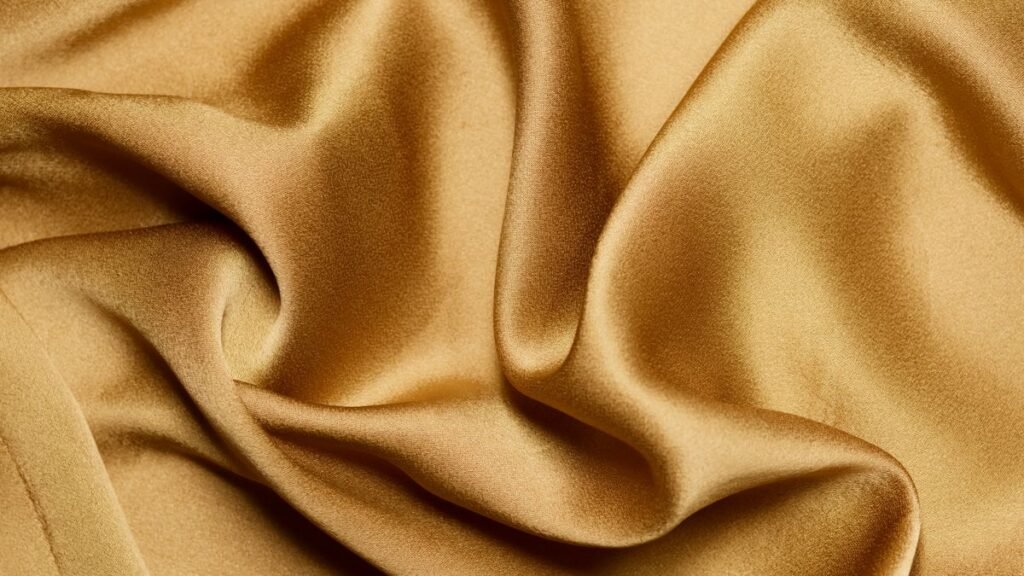
Feel: Smooth with a natural sheen. Mulberry silk, the most common kind, is sleek and lustrous; tussar, a wild silk, is drier and textured with a matte, gold-beige tone.
Drape and weight: Silk drapes with body. It falls in defined folds, holds pleats neatly and gives a formal, structured silhouette. Weights vary widely, a heavy Kanjivaram or Banarasi is substantial, while a soft Mysore silk or Rajshahi silk is much lighter, but silk generally feels warmer to wear than cotton or linen.
Best for: Weddings, festivals and formal occasions. Silk is the traditional celebration fabric, and handwoven silk sarees are often bought as heirloom pieces. The hours of hand labor behind them are a large part of their cost, as explained in our guide to why Jamdani sarees are expensive.
Care: Dry-clean, especially silk with zari work. Store folded in soft cotton or muslin, away from direct light, and refold occasionally so the creases do not set permanently.
Georgette and Chiffon
Feel: Both are sheer, lightweight fabrics woven from tightly twisted yarns. Georgette has a slightly grainy, matte surface; chiffon is smoother, finer and a little more transparent.
Drape and weight: Both flow close to the body and are among the lightest saree fabrics. The difference shows up in handling: georgette’s texture gives it grip, so pleats tend to stay where you place them, while chiffon’s smoothness makes it more slippery and more likely to need pins. Both were originally woven in silk; most georgette and chiffon sarees sold today are polyester, which keeps them affordable and crease-resistant but means they breathe less than natural fibers.
Best for: Parties, receptions, travel and evening events, anywhere a soft, flowing drape matters more than structure.
Care: Gentle hand-wash and hang to dry; these fabrics are comparatively low-maintenance, though embellished pieces should be handled with care.
Organza
Feel: Crisp, sheer and slightly stiff, with a subtle shine. Traditional organza is silk; much of today’s organza is polyester, so check the fiber content before paying a silk price.
Drape and weight: Organza does the opposite of chiffon: instead of flowing, it holds its shape and stands away from the body, creating volume and a defined, floaty silhouette. It is very light, but the stiffness means the drape looks structured rather than soft.
Best for: Receptions, parties and festive occasions, especially with embroidery or large floral prints, which the firm ground supports well.
Care: Dry-clean. Store flat or with minimal folding, since sharp creases can mark the fabric.
Linen
Feel: Crisp and cool with a visible natural texture. Linen is woven from flax, feels slightly stiff when new and softens noticeably with washing and wear. It creases easily, some wearers like the relaxed look, others do not.
Drape and weight: Light to medium weight, with a structured but relaxed fall. Linen does not cling, and its fibers are highly breathable, making it one of the coolest fabrics to wear.
Best for: Office wear, daytime events and summer. Many linen sarees are actually linen blends, so check the label if pure linen matters to you.
Care: Gentle wash in cold water; iron while slightly damp for a smooth finish.
Crepe
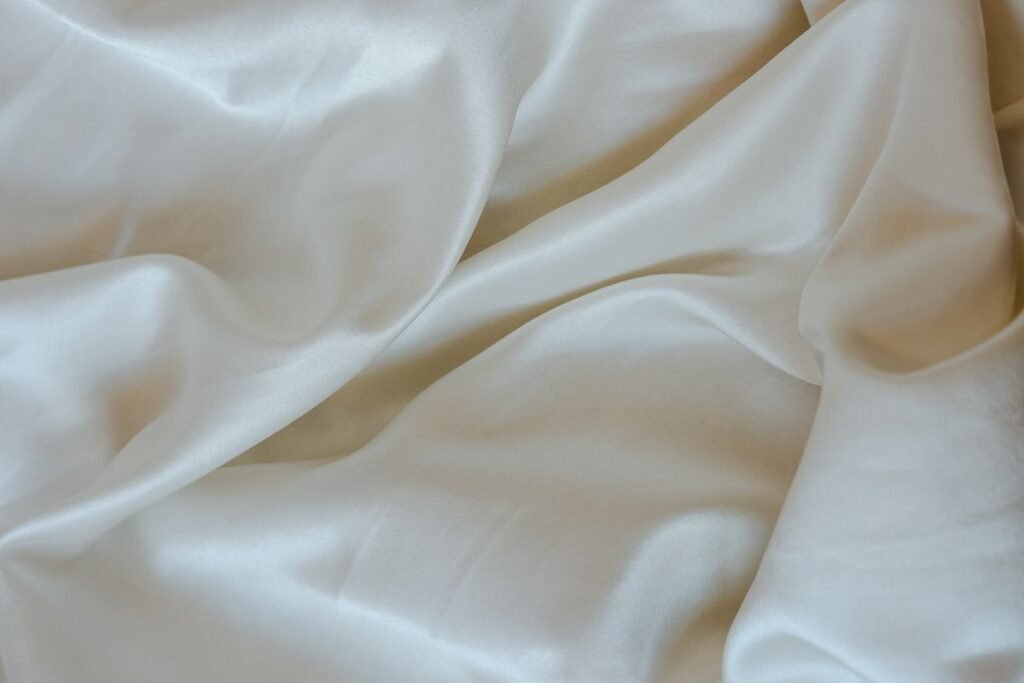
Feel: Soft with a characteristic slightly pebbled or crinkled surface, caused by tightly twisted yarns. Crepe can be made from silk or synthetic fibers.
Drape and weight: Fluid and graceful, with more body than chiffon. Crepe falls close without clinging, resists wrinkling well and keeps its pleats reasonably tidy, which makes it a practical choice for long days.
Best for: Office-to-evening wear, parties and travel, when you want a smooth, polished drape without the delicacy of chiffon.
Care: Gentle hand-wash for plain crepe; dry-clean pieces with embroidery or heavy borders.
Net
Feel: An open, mesh-like fabric, sheer, light and without drape of its own. Net sarees are almost always a base for something else: sequins, thread embroidery, lace borders or appliqué.
Drape and weight: The net itself is nearly weightless, but heavy embellishment can make the finished saree surprisingly substantial, especially across the pallu. Because the fabric is transparent, a net saree is worn with a solid petticoat and usually a fully lined blouse.
Best for: Receptions, sangeet nights and evening parties, where the embellishment is the point of the outfit.
Care: Dry-clean embellished net, and store it rolled or folded with tissue so sequins and embroidery do not snag the mesh.
Saree Fabrics at a Glance
| Fabric | Feel | Drape | Best for | Care |
|---|---|---|---|---|
| Cotton | Soft, matte, breathable | Holds pleats, stays put | Daily wear, office, summer | Easy, wash at home |
| Silk | Smooth, lustrous | Fluid with body, formal | Weddings, festivals | Dry-clean; store in muslin |
| Georgette | Light, slightly grainy | Flows, grips well | Parties, travel | Gentle hand-wash |
| Chiffon | Feather-light, smooth, sheer | Flows, can slip | Evening events, parties | Gentle hand-wash |
| Organza | Crisp, sheer, stiff | Holds shape, adds volume | Receptions, festive wear | Dry-clean |
| Linen | Cool, crisp, textured | Structured, relaxed | Office, summer days | Gentle wash; iron damp |
| Crepe | Soft, slightly pebbled | Fluid, wrinkle-resistant | Office-to-evening, travel | Hand-wash or dry-clean |
| Net | Sheer mesh | Depends on embellishment | Receptions, sangeet | Dry-clean embellished pieces |
How to Choose the Right Saree Fabric
Start with the weather. For heat and humidity, cotton and linen are the comfortable choices; silk and embellished net are better saved for cooler weather and air-conditioned venues.
Match the fabric to the occasion. Weddings and formal festivals call for silk or a structured organza. Office and everyday wear suit cotton, linen and crepe. Parties and receptions are where georgette, chiffon and net belong.
Be honest about draping experience. Fabrics with grip, cotton, georgette, crepe, hold their pleats and forgive beginners. Slippery chiffon and stiff organza look striking but ask for more pins and more practice.
Check the fiber, not just the name. “Silk” on a listing can mean pure silk, a blend or art silk (a synthetic imitation), and the same is true of organza and linen blends. A seller who states the exact fiber content clearly is giving you the information that actually decides how the saree will feel, drape and age.
Frequently Asked Questions
Q: Which saree fabric is best for summer?
Cotton is the most reliable choice: it breathes, absorbs moisture and can be worn all day. Linen runs a close second and feels even cooler, though it creases more. Lightweight georgette works for summer evenings, but polyester versions breathe less than natural fibers in humid heat.
Q: Which saree fabric is easiest for beginners to drape?
Georgette is usually the easiest starting point, because its slightly textured surface grips and holds pleats in place. Cotton is also forgiving. Chiffon, which slips, and organza, which resists folding, are better saved until draping feels routine.
Q: What is the difference between georgette and chiffon?
Both are sheer, lightweight fabrics made from twisted yarns. Georgette is a little heavier, with a matte, slightly grainy surface that grips when draped. Chiffon is finer, smoother and more transparent, with a softer flow but a tendency to slip. In practice, georgette is easier to manage; chiffon looks more delicate.
Q: Which saree fabric is best for a wedding?
Silk is the traditional answer, Banarasi, Kanjivaram and other handwoven silks bring the sheen, weight and structure that formal ceremonies call for. For a modern reception look, embroidered organza or net is a lighter alternative, and for a summer daytime wedding, silk-cotton or a fine cotton Jamdani keeps the festive feel without the heat.
Q: How should a silk saree be cared for?
Dry-clean it rather than washing at home, particularly if it has zari borders or a pallu. Store it folded in a soft cotton or muslin cloth rather than plastic, keep it away from direct sunlight, and refold it every few months so permanent crease lines do not form along the folds.

Conclusion
Once the different saree fabrics are explained side by side, choosing becomes straightforward: cotton and linen for comfort and heat, silk for ceremony, georgette and chiffon for flow, organza for structure, crepe for an easy polished drape, and net when the embellishment is the outfit. Read the fiber content before the design, match the fabric to the weather and the length of the event, and the saree you buy will behave the way the photos promised.