
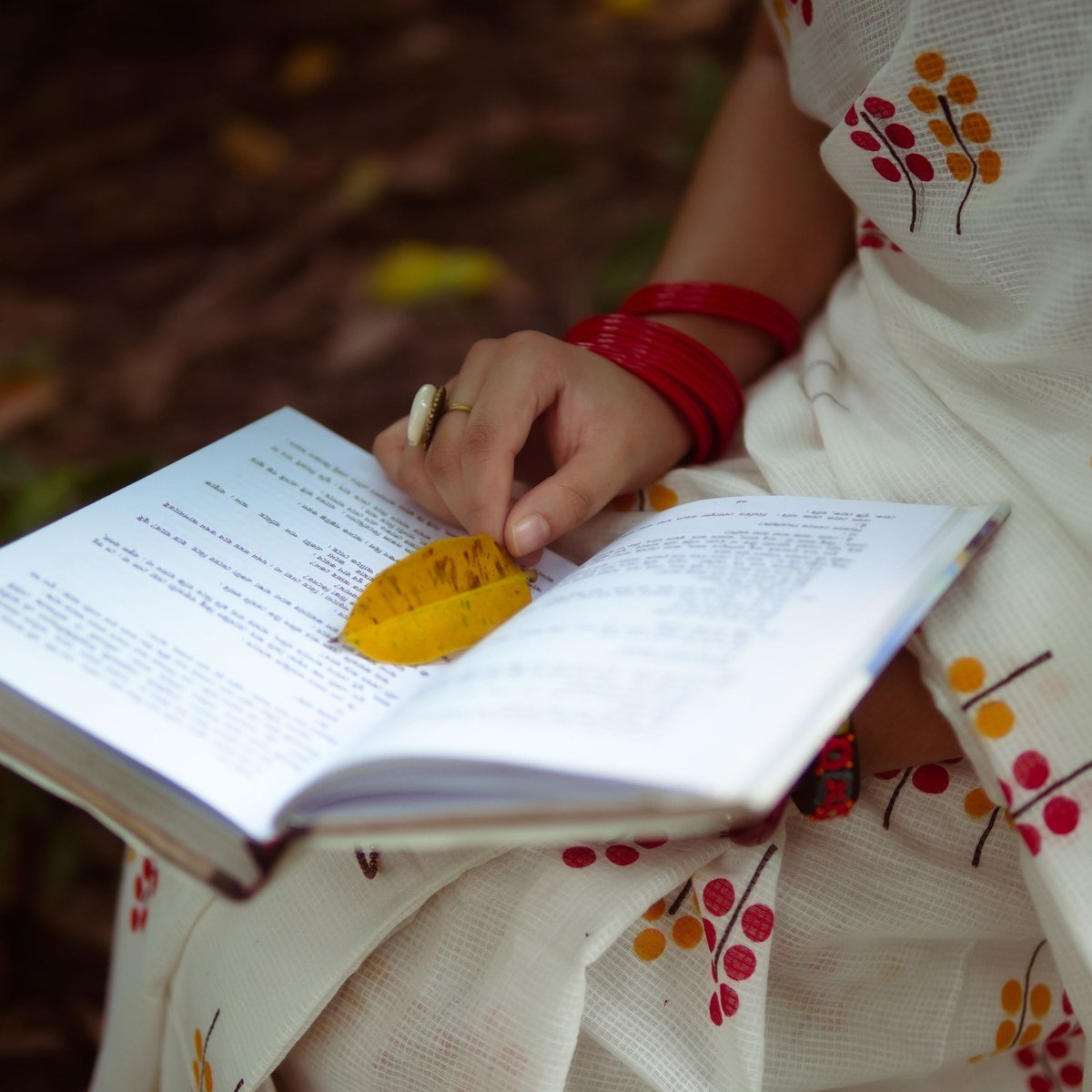
 Image credit: Pexels
A cotton saree is the hardest-working garment in a South Asian wardrobe in the United States, worn to the office, to weekend pujas, through humid Southern summers and dry heated winters. Cotton itself is a forgiving fiber, but it rewards a routine. Learning how to maintain cotton sarees is really about mastering one repeating cycle: wash gently, starch only when it helps, dry out of the sun, iron with intention, and store so the fabric can breathe. This guide walks through the whole cycle in practical, US-home terms, including the two questions cotton owners ask most, how to keep whites white, and how to soften a stiff new handloom saree.
- Why Cotton Needs a System, Not Just a Wash
- Step 1: Washing, Gentle, Cold and Separate
- Step 2: Starching, When It Helps and When to Skip It
- Step 3: Drying, Shade and Airflow
- Step 4: Ironing, Slightly Damp Is the Secret
- Step 5: Folding and Storage, Let It Breathe
- Keeping White Cotton Sarees White
- Softening a Stiff New Handloom Saree
- Seasonal Rotation and Long-Term Storage
- Frequently Asked Questions
- Conclusion
Why Cotton Needs a System, Not Just a Wash
Cotton is a natural cellulose fiber: absorbent, breathable and strong when wet, which is why it tolerates regular washing better than silk. Its weaknesses are different. Cotton wrinkles readily, its dyes, especially the deep shades used in handloom weaving, can bleed in early washes, it mildews if stored damp, and starch left in the fabric attracts insects and cracks along fold lines. Almost every cotton saree problem traces back to one of those four traits, and the cycle below is built around them. If you own several weaves, our guide to the types of cotton sarees explains how tant, handloom, mulmul and cotton-silk blends differ in weight and feel, which affects how much handling each one wants.

Step 1: Washing, Gentle, Cold and Separate
The first wash. Before washing a new cotton saree for the first time, soak it alone for fifteen to twenty minutes in cool water with a small handful of salt, then rinse. This first soak flushes out the loose surface dye that deep-colored cottons carry, so it leaves in plain water instead of on your blouse or another saree. Wash dark and bright cottons separately for the first three or four washes.
Hand washing (best for handloom and printed sarees). Fill a tub or clean sink with cold water and dissolve a small amount of mild detergent in it before the saree goes in, detergent poured directly onto fabric can spot it. Submerge the saree, press and squeeze it gently along its length for a few minutes, and let it soak briefly rather than scrubbing. Pay a little extra attention to the pallu and the underarm fold area, but never use a brush on prints, jamdani-style woven motifs or borders. Rinse in clean cold water until it runs clear, then press the water out, do not wring or twist, which sets in hard creases and stresses the weave.
Machine washing (fine for sturdy everyday cottons). In a US home, a plain mill-made cotton saree can go into the machine if you protect it: fold it loosely into a large mesh laundry bag, choose the delicate or gentle cycle, cold water, and the lowest spin setting. Skip the machine entirely for handloom, hand-printed, heavily starched or dark new sarees. Use a regular mild liquid detergent in modest quantity; avoid hot water, which shrinks cotton and accelerates fading, and keep bleach away from anything colored.
Step 2: Starching, When It Helps and When to Skip It
Starch gives a cotton saree its crisp body and sharp pleats, and it has a practical side benefit: dirt and sweat sit largely on the starch layer and wash out more easily. But starch is a tool, not a rule.
- Starch when: you want a formal, structured drape, for office wear, ceremonies, and fine tant or handloom sarees that look best with a defined fall.
- Skip it when: the saree is a soft mulmul or a casual home saree whose comfort is the point, or whenever the saree is going into storage. Starch must always be washed out before long storage: starched cotton stored for months can crack along the folds, and the starch itself attracts silverfish.
- How much: less than you think. A light starch keeps pleats tidy without turning the saree into cardboard. Traditional rice water (the strained, cooled water from boiled rice, diluted until just cloudy) gives a soft, natural stiffness; store-bought liquid starch diluted to the lightest setting is the more controllable US option, and spray starch suits touch-ups at the ironing board.
- How: dip the washed, rinsed saree evenly in the starch solution, squeeze out the excess without wringing, and dry it promptly and evenly so the stiffness sets uniformly.
Step 3: Drying, Shade and Airflow
Dry cotton sarees in shade with air moving across them: a shaded porch, an indoor drying rack, or a bathroom with the fan running. Direct sun fades cotton dyes faster than almost anything else in its life, and it can yellow white cotton along the fold where it hangs over a line. Hang the saree straight and evenly over a rod or line so it dries without distorted stretching, and bring it in once dry rather than leaving it out. Skip the tumble dryer, cotton shrinks in dryer heat, and the tumbling sets wrinkles you will have to iron out anyway. A saree that feels cool and dry to the touch but not baked stiff is at the perfect point for ironing.
Step 4: Ironing, Slightly Damp Is the Secret
Cotton irons best while very slightly damp: if the saree has dried completely, mist it lightly with water and give it a minute to absorb. Use the cotton setting on your iron, cotton is one of the few fibers that genuinely likes real heat, and iron on the reverse side for printed, dark or motif-woven sarees so the face of the design is not flattened or shined. Work in long strokes along the length, straighten the border as you go, and let each section cool flat before moving the saree. A steam iron makes this fast; a handheld steamer is a good alternative for a quick refresh of a saree that only needs its creases released before wearing.

Step 5: Folding and Storage, Let It Breathe
Fold the saree in broad, loose folds rather than tight small ones, every fold is a line of stress, and broad folds are kinder. Store folded sarees wrapped in clean, undyed cotton or muslin cloth, or in breathable cotton saree bags; an old cotton pillowcase works well. Avoid plastic covers and airtight bins for anything beyond a few weeks: cotton stored in plastic with even slight residual moisture can mildew and develop a musty smell that takes several washes to leave. Keep the storage spot dark, dry and away from direct heat vents. In humid climates or summer months, a small silica gel packet in the drawer helps; cedar blocks or a muslin pouch of dried neem leaves are traditional, pleasant-smelling deterrents against insects. Refold stored sarees every two to three months, changing where the folds fall, and give them an hour of open air at the same time.
Keeping White Cotton Sarees White
White cotton yellows for three main reasons: it was stored slightly unclean (body oils oxidize over time), starch or detergent residue was left in it, or it sat in plastic or in light. The fixes follow directly. Always wash a white saree before storing it, even if it looks clean, rinse it thoroughly, and skip starch for storage. Wash whites only with whites, dry them in bright shade rather than harsh midday sun, and store them wrapped in undyed cotton in the dark. If a white saree has already yellowed, a wash with an oxygen-based laundry booster made for whites will often lift much of it; avoid chlorine bleach, which weakens cotton fibers and can itself leave a yellow cast over time. If you are shopping for a white saree and want to be sure it is genuinely cotton before applying this routine, our checklist on how to identify a pure cotton saree covers the simple touch, drape and burn-free tests to use.
Softening a Stiff New Handloom Saree
New handloom cotton often arrives stiff with the dressing used during weaving and finishing. That stiffness is temporary. The reliable softeners are simply use and washing: most handloom sarees relax noticeably after two or three gentle washes. To help it along, soak the saree for about thirty minutes in cold water with half a cup of plain white vinegar, then wash as usual, this helps dissolve the finishing residue. Wear and drape the saree around the house a few times; body heat and movement do what no product does. Go easy on fabric softener: a small amount occasionally is fine, but heavy repeated use coats the fibers, reduces absorbency and can dull prints.
Seasonal Rotation and Long-Term Storage
In the US, sarees often rotate with the seasons, cottons forward in spring, away in winter. Use the changeover as a maintenance moment. Wash every saree before it goes into the off-season stack (unwashed is the single biggest cause of storage stains and yellowing), make sure it is fully dry, leave it unstarched, wrap it in cotton, and store it somewhere with stable temperature rather than a damp basement or a hot attic. When the season returns, air the sarees out for a few hours, check the folds, and refresh with a steamer. A saree stored clean, dry and breathing will come back to you exactly as you left it.
Frequently Asked Questions
Q: Can I machine wash a cotton saree?
Yes, for sturdy, everyday mill-made cotton sarees: place the saree loosely in a large mesh laundry bag, use the delicate cycle with cold water and the lowest spin, and dry it in shade. Handloom, hand-printed, dark new and heavily starched sarees should be hand-washed instead, the machine’s agitation and spin are rough on their weave and dyes.
Q: How often should cotton sarees be washed?
Wash after every one or two wears in summer or after any wear involving sweat, food or perfume sprays; a saree worn briefly in air conditioning can go longer. The important exception is storage: never store a saree unwashed, however briefly it was worn, because invisible body oils turn into yellow stains over months.
Q: Should I starch every cotton saree after washing?
No. Starch the sarees you want to look crisp and structured, office and occasion wear, fine handloom drapes, and skip it for soft casual sarees. Use a light hand; heavy starch makes cotton crack at the folds. And always wash starch out before storing a saree for more than a few weeks, since stored starch attracts insects and stiffens into the creases.
Q: How do I keep white cotton sarees from turning yellow?
Store them scrupulously clean and thoroughly rinsed, unstarched, wrapped in undyed cotton, in the dark, and out of plastic. Wash whites separately from colors, and dry them in shade rather than leaving them in strong sun. Most yellowing is a storage problem, not a washing problem, so the pre-storage wash matters most.
Q: How often should I refold stored cotton sarees?
Every two to three months is a good rhythm. Take each saree out, let it air for an hour or so, and refold it so the creases fall in different places. This prevents permanent fold lines, lets you spot any moisture or insect issue early, and keeps the whole stack fresher.

Conclusion
Maintaining cotton sarees is not complicated once the cycle becomes habit: a gentle cold wash, starch only where it earns its place, shade drying, a proper iron while the fabric is still slightly receptive, and storage that lets the cotton breathe. Add a clean wash before any long rest and a refold a few times a year, and your cottons, from everyday tant to your finest handloom, will stay bright, soft where they should be soft, and crisp where they should be crisp, for many seasons of American life.