
Image Credit: AI Generated
- The Price of Perfection
- 100% Handwoven – No Machines Allowed
- Weeks of Labour – A Single Saree
- Premium Silk – The Foundation of Luxury
- Real Zari – Gold & Silver Threads
- Intricate Motifs – Art on Fabric
- No Two Alike – Individuality
- UNESCO Heritage & Cultural Legacy
- Price Comparison – What You Pay For
- Popular Posts
- Frequently asked questions about Jamdani prices
The Price of Perfection
You walk into a saree shop, and your eyes fall on a stunning Jamdani. The sheer beauty takes your breath away – delicate motifs floating on a translucent base, a shimmering border, and a pallu that seems to glow. Then you see the price tag: ৳25,000. Your first thought is “Why so expensive?”
I’ve asked that question myself – many times. And after spending years visiting weaving clusters in Narayanganj, sitting with master weavers, and understanding the intricate process behind each saree, I realised: the price is not just for the fabric. It’s for the centuries-old craftsmanship, the weeks of labour, the real gold and silver threads, and the priceless heritage that each Jamdani carries.
In this guide, I’ll break down the seven main factors that make Jamdani sarees one of the most expensive handwoven textiles in the world. By the end, you’ll not only understand the cost – you’ll appreciate the value of every thread.
1. 100% Handwoven – No Machines Allowed
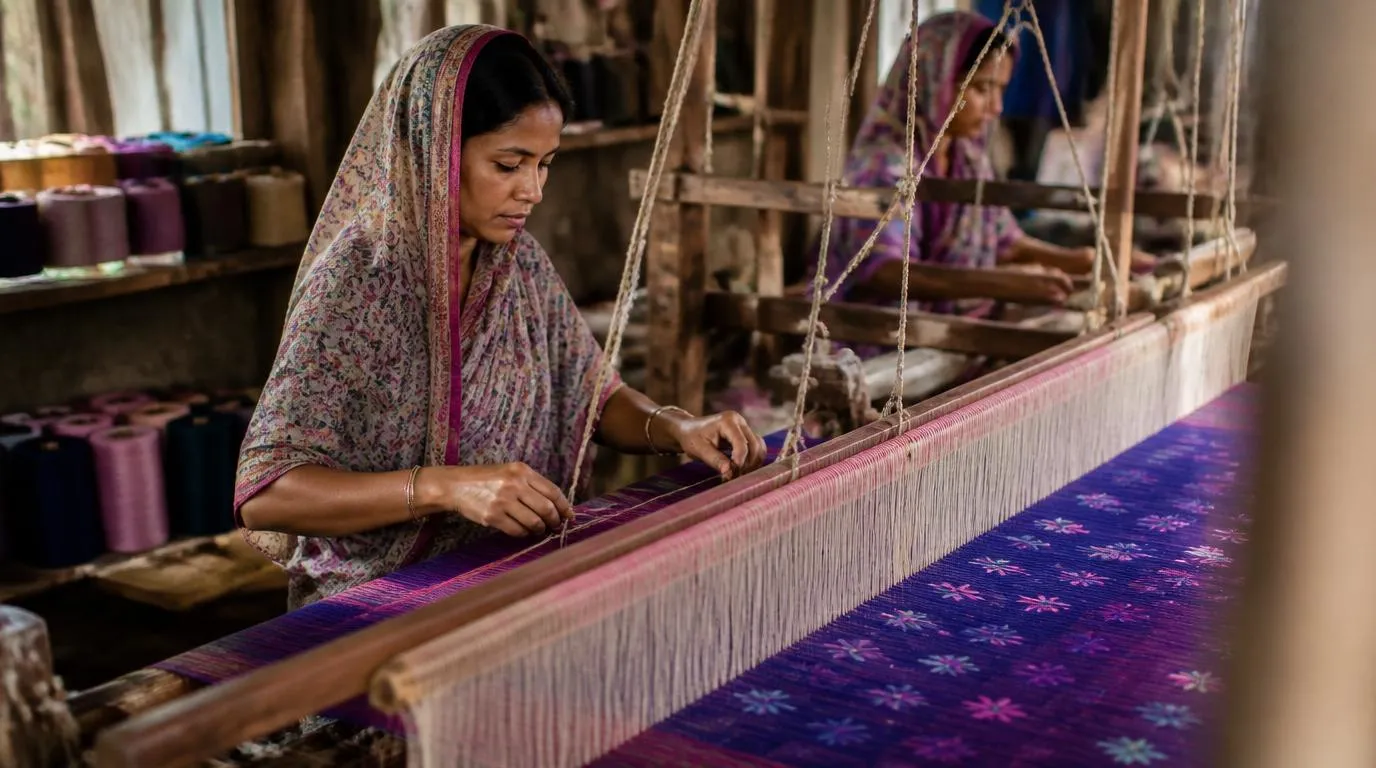
Image Credit: AI Generated
The first and most important reason Jamdani sarees are expensive is that they are completely handwoven on traditional pit looms. There is no mechanisation involved – every thread, every motif, every border is inserted by hand using a technique called supplementary weft.
In this process, the weaver works from a sitting position on the loom, using a needle or shuttle to weave extra threads into the warp. This is a painstakingly slow process – a single inch of fabric can take hours to complete, depending on the intricacy of the design.
Compare this to power-loom sarees that can be produced in minutes. The handweaving process alone makes Jamdani at least 50 times more labour-intensive than machine-made alternatives. This is the primary cost driver – you’re paying for the hands and skill of the weaver, not just the material.
Did you know? A typical Jamdani weaver produces only 1–2 inches of fabric per day for a highly intricate design. A full saree (about 5.5 metres) can take over a month of daily work.
2. Weeks of Labour – A Single Saree
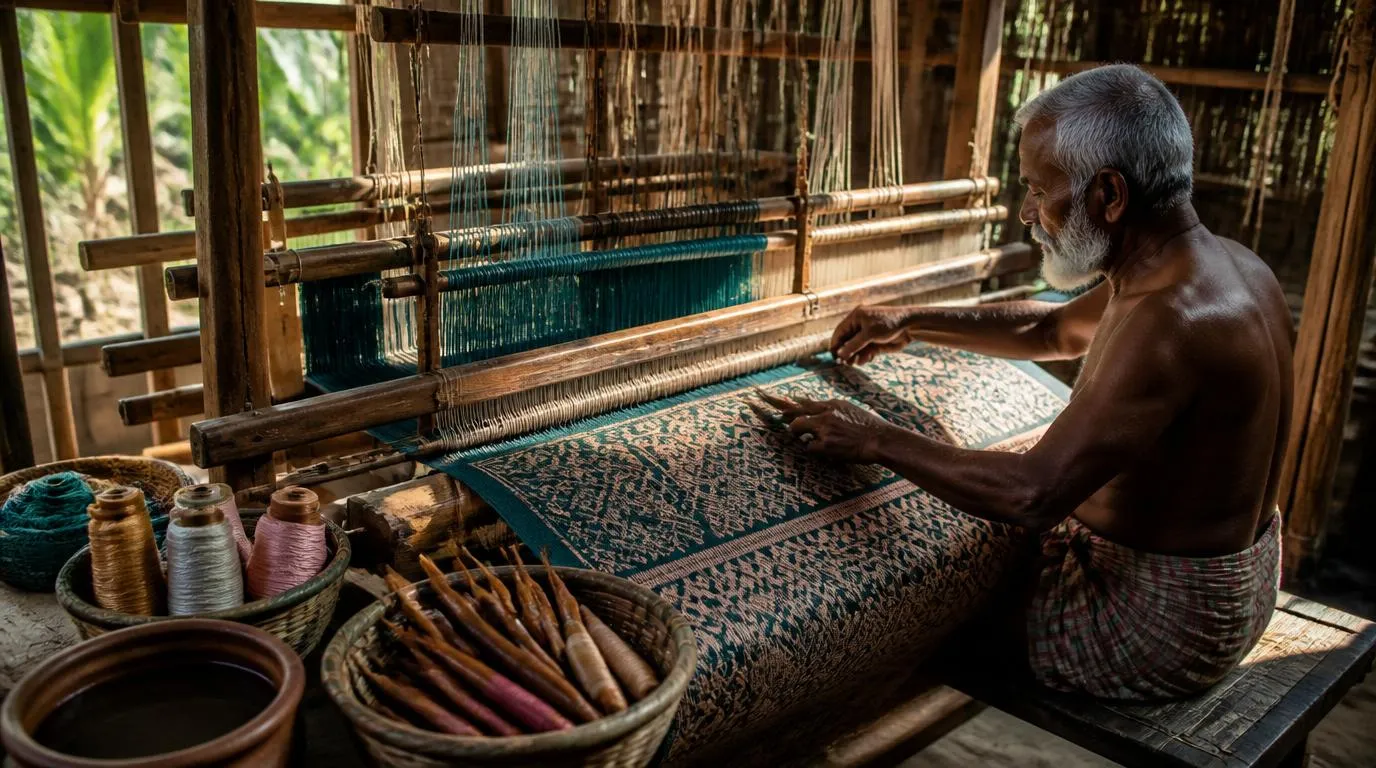
Image Credit: AI Generated
The time investment in a Jamdani saree is staggering. A simple Jamdani (plain body with a border) can take 2–3 weeks to complete. A high-count silk Jamdani with all-over buttidar (small motifs) and a heavy pallu can take 2–4 months – sometimes even longer.
The weaver works 6–8 hours a day, and the physical strain is immense. They sit in a cramped position for hours, constantly moving their hands, arms, and body to operate the loom. This labour-intensive craft is also dying out – fewer young people are taking up weaving, making skilled weavers rare and highly valued.
Cost factor: If a weaver earns ৳500–800 per day (which is modest for such skill), a saree that takes 30 days to work on costs ৳15,000–24,000 – and this is before the cost of silk, zari, and overheads.
3. Premium Silk – The Foundation of Luxury
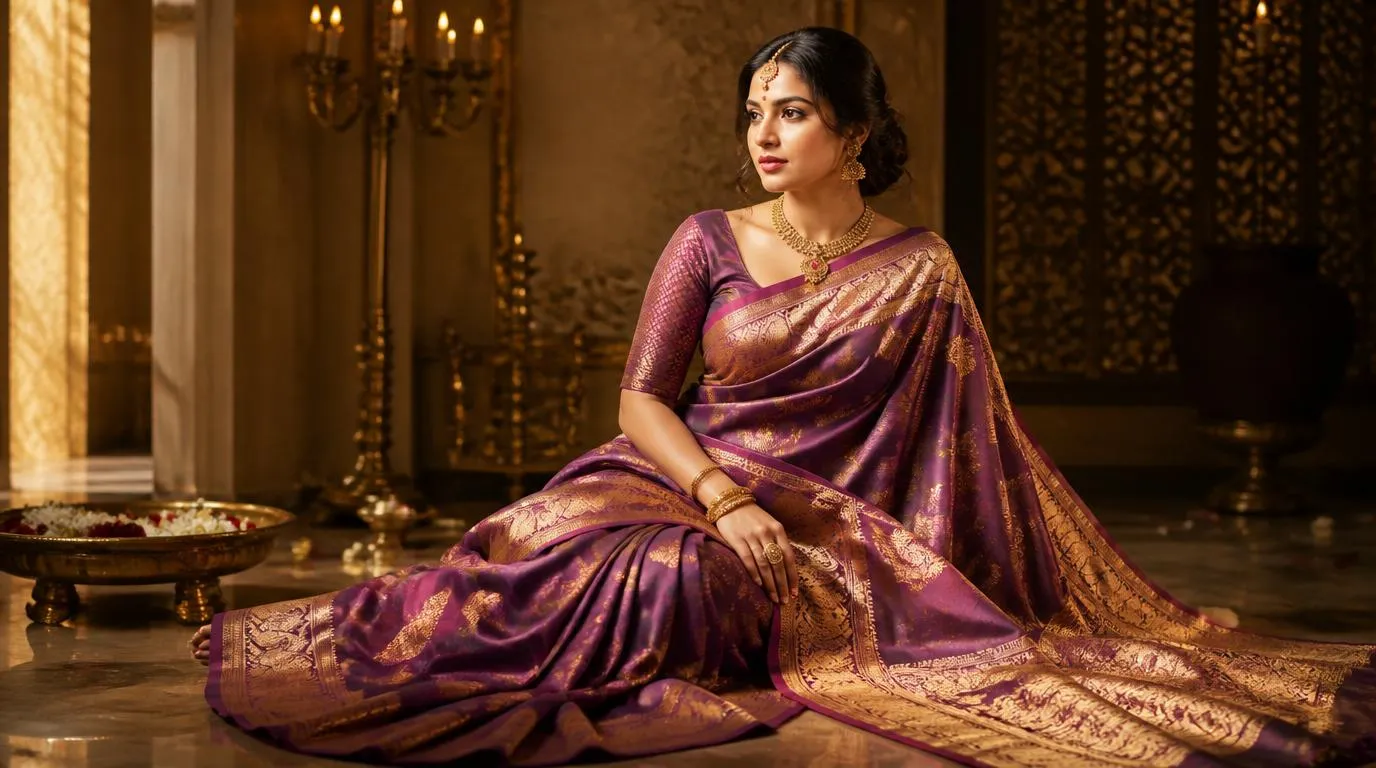
Image Credit: AI Generated
The fabric base of a Jamdani saree plays a huge role in its price. The finest Jamdani uses mulberry silk – a high-quality silk produced by silkworms fed exclusively on mulberry leaves. This silk is smooth, lustrous, and strong, and it takes dye beautifully.
But not all silk is equal. The warp count – the number of threads per inch – determines the fineness of the fabric. A regular Jamdani might have 80–100 warp count, while a premium Jamdani can have 150–200+ warp count. The higher the count, the lighter, softer, and more delicate the fabric – and the more expensive the raw silk.
Some Jamdani sarees also use hand-spun cotton for a more traditional, breathable feel – but these are typically less expensive than silk. For a wedding or luxury piece, silk is the standard, and it commands a premium price.
4. Real Zari – Gold & Silver Threads
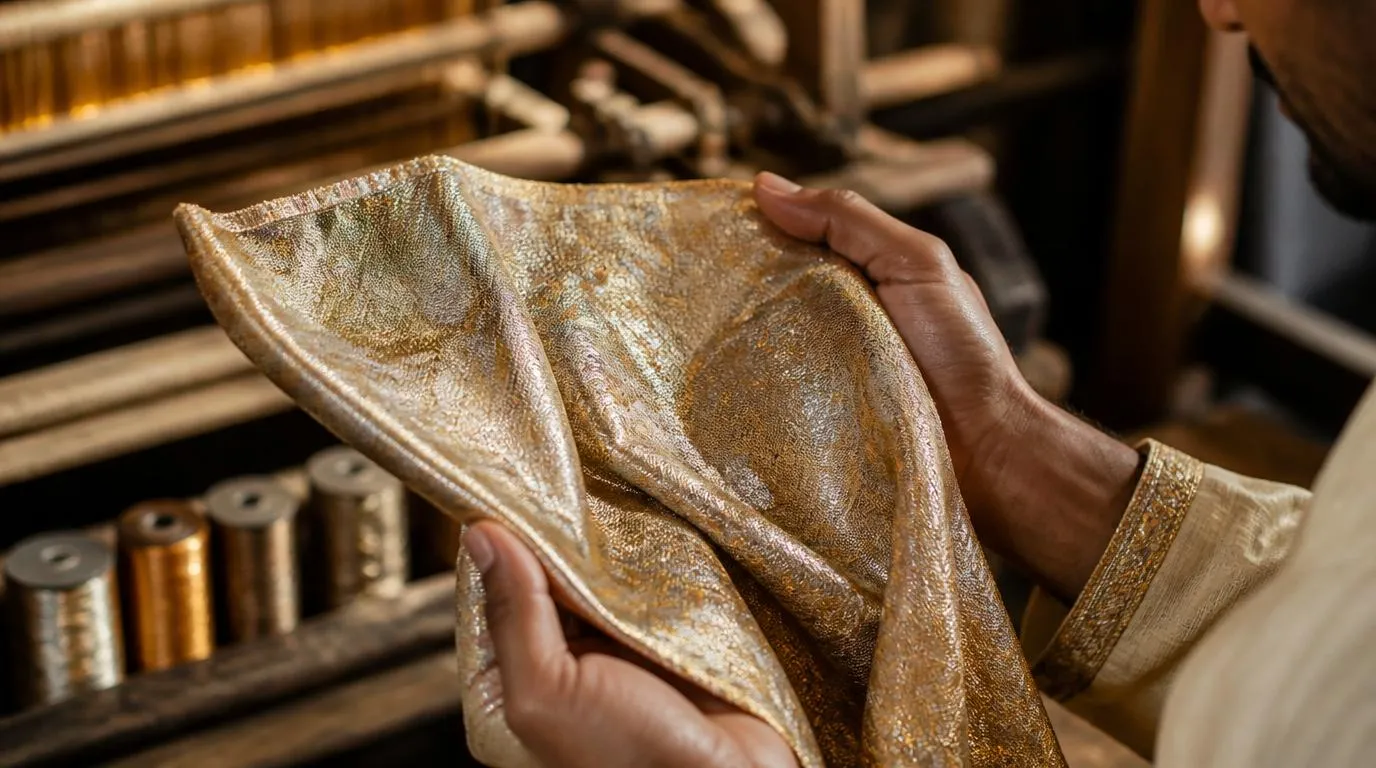 Image Credit: AI Generated
The zari – the metallic thread used for motifs, borders, and the pallu – is another major cost factor. Real zari is made by wrapping a fine silver wire with gold (or a gold alloy) and then flattening it into a thread. This is an expensive and labour-intensive process in itself.
A premium Jamdani will use real gold or silver zari, while cheaper imitations use copper or polyester coated with a gold-coloured lacquer. The difference is visible and tactile – real zari has a soft, warm sheen, doesn’t flake, and doesn’t turn black over time. It also adds weight to the saree, giving it a luxurious drape.
Cost impact: Real zari can be 10–20 times more expensive than imitation zari. A saree that uses 100 grams of real zari can have zari costs alone of ৳5,000–10,000, depending on gold prices. This is why Jamdani with heavy zari work can be so costly.
5. Intricate Motifs – Art on Fabric
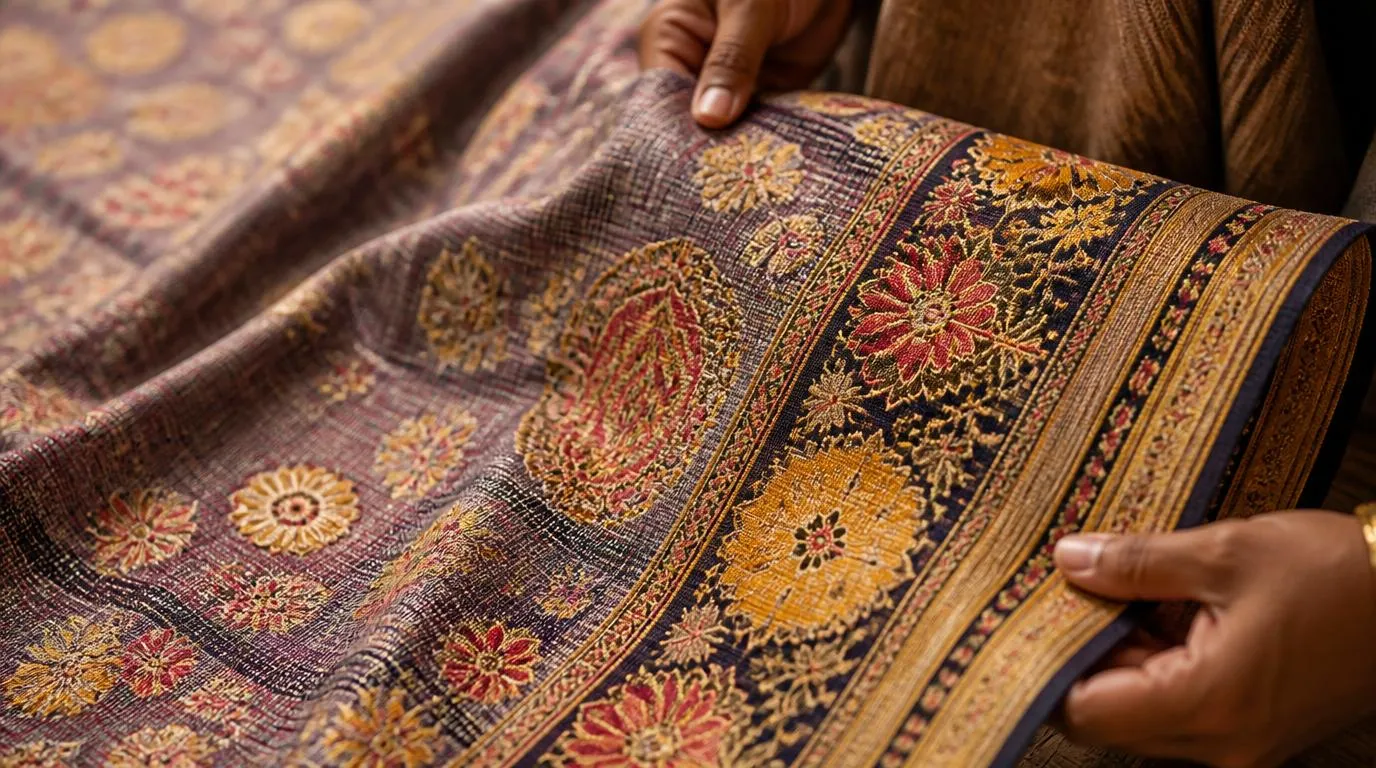 Image Credit: AI Generated
The motifs are what set Jamdani apart from every other saree. They are not printed or embroidered – they are woven directly into the fabric using the supplementary weft technique. Each motif is hand-inserted by the weaver, following a mental blueprint or a graph paper design.
Traditional Jamdani motifs are incredibly varied – flowers (lotus, jasmine, rose), vines (tor), geometric jali (net), paisley (kalka), and even animal or bird shapes. The density of the motifs – whether they cover the entire body or just the border – directly affects the price.
A buttidar Jamdani (with motifs spread across the body) is far more expensive than a plain Jamdani with only a border. Each additional motif means more time, more skill, and more zari – all of which add to the cost.
6. No Two Alike – Individuality
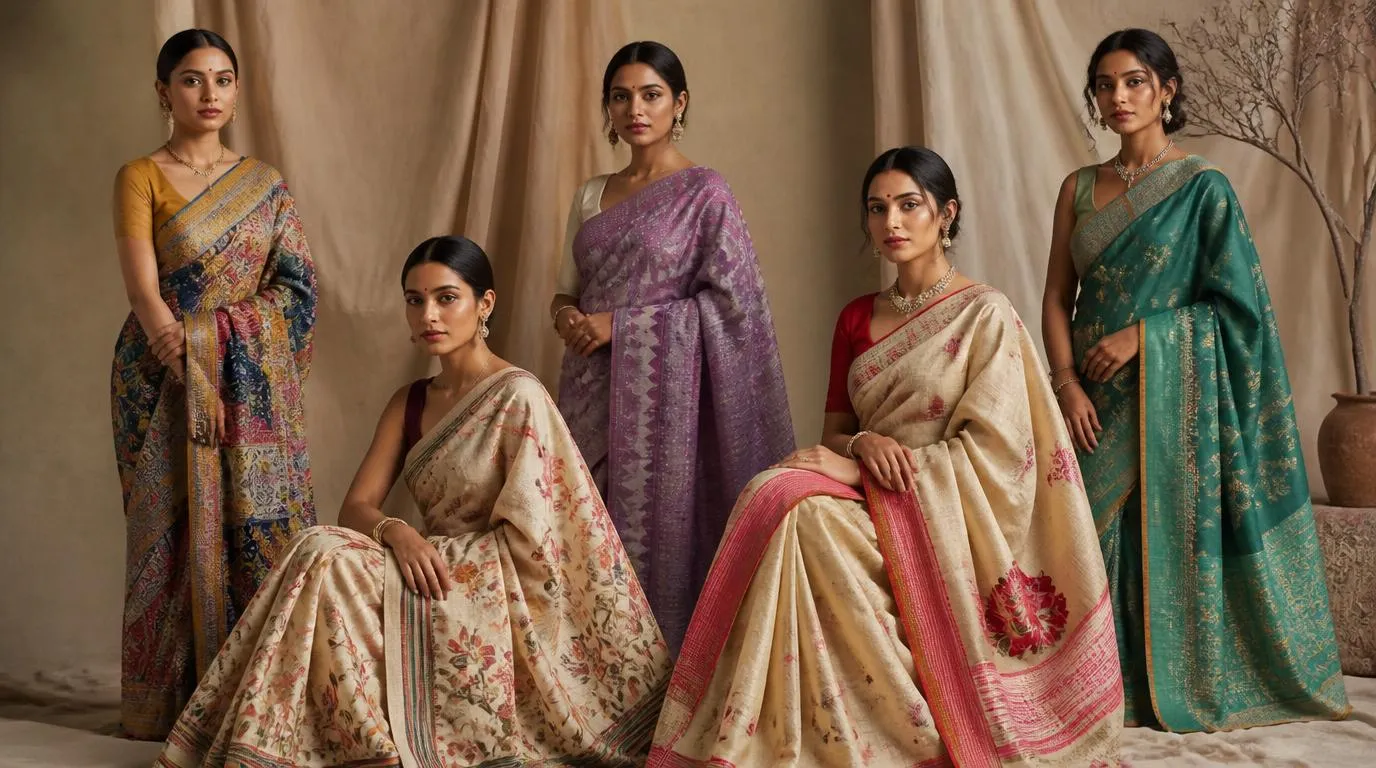 Image Credit: AI Generated
Because Jamdani sarees are handwoven, each one is completely unique. Even if the same design is repeated, subtle variations occur – the spacing of motifs, the tension of the weave, the exact shade of the zari. This makes every Jamdani a one-of-a-kind piece of art.
In the world of mass-produced fashion, uniqueness is a luxury. When you buy a Jamdani, you are buying exclusivity – a saree that no one else will have in exactly the same way. This individuality is part of its irreplaceable value.
7. UNESCO Heritage & Cultural Legacy
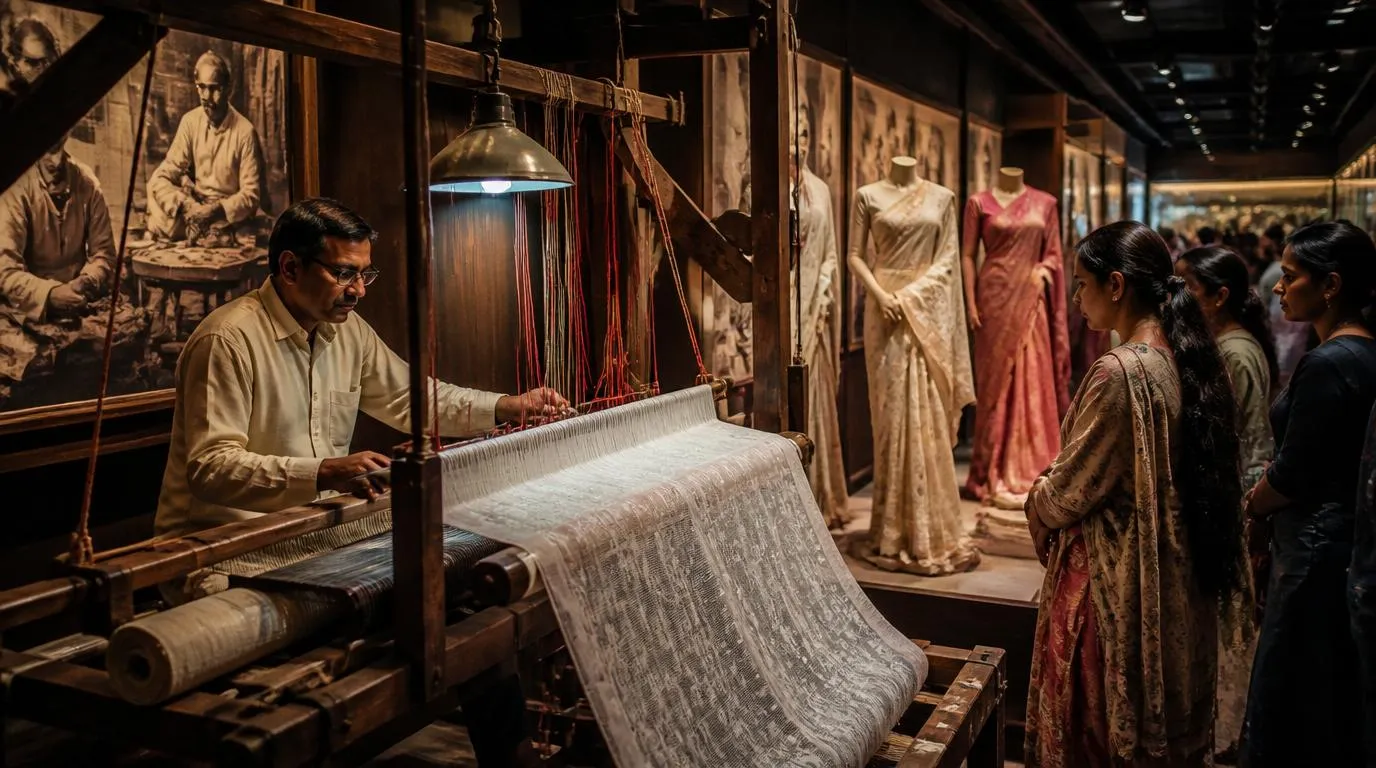 Image Credit: AI Generated
In 2013, UNESCO recognised Jamdani weaving as an Intangible Cultural Heritage of Humanity. This recognition elevated Jamdani from a regional craft to a global cultural treasure. It also increased demand from collectors, museums, and fashion enthusiasts worldwide, which has pushed prices up.
But beyond the economics, the cultural legacy of Jamdani carries a price premium. When you buy a Jamdani, you are preserving a tradition that has survived for centuries. You are supporting the weaving communities and ensuring that this incredible art form continues for future generations. This emotional and cultural value is something that mass-produced sarees can never offer.
Image Credit: AI Generated
Every Jamdani saree is a testament to the skill, patience, and artistry of its weaver – that’s the reason behind its price.
Price Comparison – What You Pay For
- Cotton Jamdani: Counts around 80–100, with imitation zari (lower cost)
- Silk-cotton blend: Medium 120–150, mixed zari, moderate price
- Premium silk Jamdani: High 150–200+, real gold/silver zari, costly
- Machine-made imitation: Low 60–80, no real zari – cheapest and least durable
- UNESCO-certified handloom: 200+, real gold zari – collector’s item and most expensive
Popular Posts
- How to Choose the Perfect Jamdani Saree
- How to Identify Original Jamdani Saree
- Jamdani Saree vs Tangail Saree
- How to Style a Bangladeshi Saree
- History of Jamdani Saree in Bangladesh
- Traditional Bangladeshi Saree Types